



Is trauma making it hard for you to move on? Rediscover your calmness and mental clarity with Trauma Treatment in Dubai– an effective, gentle, and compassionate way to restore your identity and well-being.
Quick Facts!
- Core Goal: Targets at lessening the PTSD indicators like stress, emotional detachment, hyperactivity, etc.
- Price Approximation: 400AED-1200AED is the approximate cost per session.
- Processing Time: 45-60 minutes is the timeline for a single session.
- Session Count: 6-12 sessions influenced by the trauma’s intensity.
- Treatment Method: Customized therapeutic approaches like Cognitive Behavioral Therapy (CBT), Eye Movement Desensitization and Reprocessing (EMDR), etc.
- Restoration Phase: Visible improvements can be noticed after 2-4 weeks.
What is Trauma Treatment?
Trauma treatment, also called Mental trauma therapy, is a specialized therapeutic technique that enables an individual to cope with the emotional as well as mental effects that emerge due to traumatic incidents. It creates a protective and trusted setting where an individual can openly communicate what he is going through without fear of judgment to find out the healing remedies. To better understand, let’s discuss what trauma exactly is:
Understanding Trauma
Trauma occurs when a person goes through an event that leaves deep emotional and mental scars on his personality for a long period. It affects his ability to deal with things, as everyone does not respond in the same manner. Evidence suggests that approximately 70% people are affected by trauma-induced complications in their adulthood at least once. Not all people respond to the exact condition in the same manner.
Types of Trauma
The following are the trauma’s types:
- Acute Trauma: Trauma induced due to a traumatic incident.
- Chronic Trauma: The trauma that persists due to repetitive occurrences of traumatic activities like prolonged mistreatment, intimidation, or toxic relationships.
- Complex Trauma: Emerges because of persistent contact with various distressing events.
- Secondary/ Viscarious Trauma: It’s a kind of trauma that is encountered indirectly, which means experiencing second-hand distress from a beloved one who is the actual victim. It can be a reason for developing PTSD (Post-Traumatic Stress Disorder) symptoms, though not experienced directly.
Trauma-Related Disorders
These are psychological conditions that arise due to exposure to distressing incidents. The type and extent determine which disorder appears and the way it affects an individual. Below are the disorders’ types:
| Disorder | Description | Occurrence and Effects |
| PTSD (Post-Traumatic Stress Disorder) | Mental Snapshots, Scary dreams, Escaping response, Emotional detachment, increased threat detection sense, persists for over 1 month time period. | Occurs post-adverse episode, often women are victims, and children can also suffer from this disorder. |
| ASD (Acute Stress Disorder) | PTSD alike symptoms, including restlessness, have a short duration. | It emerges within 3o days after a distressing incident; if not treated, it might lead to PTSD. |
| Adjustment Disorders (ADs) | Over-sensitivity to stress, Emotional turmoil, hopelessness, and agitation. | Initiated by a major life challenge, disrupt routine activities. |
| RAD (Reactive Attachment Disorder) | Disconnection, restricted emotions, despair, rage. | Popular among children who suffer from neglect and insufficient nurturing. |
| DSED (Disinhibited Social Engagement Disorder) | Over-socialize with unknown persons, no boundaries set. | Common in children who have gone through abandonment and stress, they face trouble in forming healthy attachments. |
| Other Specified / Unspecified Trauma Disorders | Uncleared and irregular characteristics outside typical classifications. | Traumatic signs exist, but are not sufficient to diagnose |
Inclusive Symptoms
The impacts of trauma vary in magnitude and appearance. Numerous factors demonstrate how a particular event or incident affects a person; symptoms include:
Emotional Symptoms
- Intense emotional shifts.
- Inability to accept the occurred event.
- Experiencing hypersensitivity or no sensitivity.
- Being hopeless and vulnerable.
- Signs of sorrow and grief.
- Social disengagement and exclusion.
- Suicidal thoughts, etc.
Physical Symptoms
- Stomach-related disorders, like digestive issues.
- Enduring exhaustion and fatigue.
- Heightened cardiac rate.
- Eating disorders.
- Hypervigilance (heightened alertness).
- Sleep disorders like insomnia.
- Chronic migraines.
Who is more at Risk of Trauma
Several potential risks might increase the vulnerability of a person’s trauma-associated symptoms, including:
- People who are suffering from a repetitive cycle of prior traumatic experiences.
- Those who serve in intense risk jobs like police, etc.
- People who have a generational background of trauma, negligence, and toxicity.
- Those who are already suffering from some mental illnesses.
- Those having high adrenaline levels, keeping them in “fight or flight” mode always.
- Those who suffered from a toxic childhood, as a 2021 review in the Journal of Clinical Medicine strengthens this argument by underscoring that those who have experienced childhood trauma are at a more vulnerable state than others.
Benefits of Trauma Treatment
- Alleviates tension: It contributes to decreasing grief, disheartenment, and scary dreams etc.
- Enhances emotional control: It teaches how to regain control over emotional awareness.
- Instills inner security: Through lessened emotional volatility, it offers an inner protective feeling.
- Fosters self-assurance: By learning emotional regulation, one develops a sense of empowerment.
- Builds supportive connections: It levels up one’s capability to develop meaningful social interactions.
Protective Measures
Various components (whether internal or external) assist a person in coping with trauma in a better way. How a person responds to the trauma is dependent on the specific way he/she employ, and these can include:
- Proactive: Intervening concerns way before they deepen.
- Reactive: Sorting out the inconvenience after they emerged.
- Passive: By detaching themselves emotionally.
Examples of Protective Measures
- Strong family bonds.
- Personal spirituality.
- Compassionate and nurturing childhood.
- Availability of medical and social care.
Pre-Care and Post-Care Instructions
| Pre-Care Guidelines | Post-Care Guidelines |
| Do select a qualified yet experienced trauma therapist. | Abide by your therapist’s dos and don’ts. |
| Prepare yourself to share what you are going through to seek better help. | Practice suggested strategies to manage stress and emotions. |
| Inform trusted people that you are taking therapy sessions for trauma. | Develop a healthy lifestyle. |
| Do not take any kind of drug before your therapy. | Ensure taking recommended medications. |
| Develop an early responsive plan for emotional intensification. | Do follow any calming exercises if recommended. |
How is Truma Treated?
Trauma treatment is of immense use, and it teaches a person to have control over his emotions. The kind of treatment one must adopt is influenced by trauma type, its seriousness, and personal outcomes. Some general methods to treat trauma:
Cognitive Behavioral Therapy (CBT):
It helps people to be aware of the nature of their trauma and deal with negative perceptions associated with what they are suffering from.
Eye Movement Desensitization and Reprocessing (EMDR):
Via regulated eye motion, it eases the emotional burden and is ideal for PTSD (Post-traumatic stress disorder).
Prolonged Exposure Therapy (PE):
With time, it facilitates people to deal with upsetting memories, creating a sense of inner healing.
Trauma-Focused Cognitive Behavioral Therapy (TF-CBT):
It is crafted specifically for children as well as teenagers, merging thoughts and action-based techniques employing soothing strategies to manage trauma.
Somatic Experiencing (SE):
It concentrates on how a body is impacted by trauma. It benefits people to move on from stored stress and reestablish calmness and control.
Group Therapy:
It is effective in building a positive environment for genuine discussion and empathy from others who have faced similar complications.
Medication:
Therapists also prescribe certain medications, such as depression-relief drugs and anti-anxiety medications, to manage stress.
Mental Health Conditions That Occur Side by Side
People who are already suffering from mental health problems become sensitive to other related ailments too. Several people start taking drugs and even go through suicidal thoughts to handle their intense emotions if they are not addressed in the first place. For instance, PTSD (Post-traumatic Stress Disorder) usually occurs with depression, and it has a higher risk of generating disorders that make a person completely detached from reality. It negatively impacts every sphere of life, ranging from everyday life to work to sleep, and ultimately to health. Constant pressure and stress lead to mental illnesses, weakening the body’s immune system, and can even alter the hippocampus that regulates the emotional side and memory of humans.
Cost of the Treatment
Trauma treatment session fee is priced between 400AED and 1200AED. It varies due to a range of factors like therapy kind and timeline, therapist’s expertise, concern’s intensity, and whether solo or shared sessions are acquired by the patient. You might be expected to pay an extra amount for a mental health diagnosis, medications, or specialized therapeutic methods like EMDR (Eye Movement Desensitization and Reprocessing) and TF-CBT (Trauma-Focused Cognitive Behavioral Therapy).
Why Choose Us
- Experienced therapists dedicated to restoring your inner peace and overcoming trauma.
- Individualized therapies following your struggles and rehabilitation.
- Therapeutic aid is available for children, young people, and adults.
- Healing approaches like Cognitive Behavioral Therapy (CBT), etc.
- Comfortable setup and ambiance to calm you down to ensure your emotional healing.
- Holistic support aimed at reconstructing your inner stability.
Reflect, Release, Rebuild — Book Your First Step!
Initiate your trauma healing journey with Trauma Treatment at the Enfield Royal in Dubai. We tailor each therapy from Eye Movement Desensitization and Reprocessing (EMDR) to Cognitive Behavioral Therapy (CBT) by keeping in consideration your traumatic experiences and desires to equip you with an essential sense of worth. Reserve your self-discovery path right away.
FAQs
What kind of effect does trauma stimulate in a human being?
Trauma generates noticeable alterations in the human system, such as changing a person’s way of thinking, their actions, and evoking physical effects and trust issues.
Who is more vulnerable to trauma-induced difficulties?
While any person can be a victim of them, how they behave and respond to them is shaped by their coping capabilities and support system.
How can I offer a helping hand to a person who is experiencing emotional turmoil?
Be observant and compassionate, recommend expert guidance, and respect their personal space.
Can you please tell me about the duration of trauma therapy?
Generally, the advised sessions are 8-20, but it does not fit all. Those having extreme and complicated traumatic experiences might take years to heal fully.
Is anxiety an aftershock of trauma?
Yes, it is a significant factor in triggering anxiety when flashbacks of the past cross the patient’s mind.
Can I pay for my trauma therapy via health insurance?
Yes, trauma expenses can be covered through health insurance.
What is the typical price range of a therapy session?
400AED-1200AED is the average fee bracket for a single therapy session. However, it is dependent on the therapist’s credentials and the type.

Dr. Leen Makhlof

Looking for a reliable, experienced specialist in Dubai for your skin health? Choosing a dermatologist in Dubai is an important...
View Profile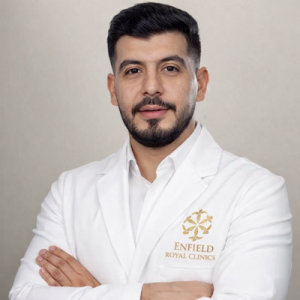
Dr. Tamim Hasan
“Dr. Tamim Hasan– an experienced and expert dentist committed to delivering precise and compassionate dental care”. Are you looking for...
View Profile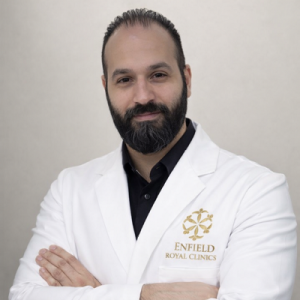
Dr. Osama Shaheen
“Your smile deserves the best dentist, Dr. OSAMA SHAHEEN, who crafts Confident Smiles with Precision & Comprehensive Dental Care.” Do...
View Profile
Dr Mohammad Abu Al-izz
Mohammad Abu Al-Izz — Understanding Minds, Transforming Lives DHA & DOH Licensed | Jordanian Board-Certified | Bilingual: Arabic & English...
View Profile
Dr. Hani Al Mozawer
He is a leading urologist with over 05 years of experience, renowned for his expertise in minimally invasive surgeries and compassionate...
View Profile
DR. Mohamad Sameer Alsalih
Radiant skin, confident you—discover your journey to flawless skin with Dr. Mohamad Sameer Alsalih. Dr. Mohamad Sameer Alsalih is an...
View Profile
Dr.Nibras Sufeian AlDoori
Dr. Nibras Sufeian AlDoori: Where Family Care Meets Timeless Beauty! Dr. Nibras Sufeian is a renowned expert at Enfield Royal...
View Profile
Dr. Abdullah Hussam Mezel
Transform Your Smile with Precision and Expert Care – Dr. Abdullah Hussam Mezel. Dr. Abdullah Hussam Mezel is a highly...
View Profile
Dr. Nagham Mohammed Karagholli
Dr. Nagham Mohammed Karagholli: Precision Surgery for a Healthier Tomorrow! A surgeon specializing in laparoscopic procedures with an emphasis on...
View Profile
Dr Rashah Al Ahmed
Eat smart, and live well—your journey to health starts here with our expert nutritionist and dietician- Dr Rashah Al Ahmed....
View Profile
Dr Tamara Talib Hasan
Healthy smiles, and happy lives, Choose your path to oral wellness with our professional dentists-Dr Tamara Talib Hasan Dr. Tamara...
View Profile
Dr. Diya Aldeen Mohammed
We are proud to announce the newest member and brilliant addition to Enfield Royal Clinics. Meet Dr. Diya Aldeen Mohammed,...
View Profile
Dr. Ahmed Naji Attiyah
We proudly announce yet another addition to the Enfield Royal Clinic family. Dr. Ahmed Naji Attiyah; is a board-certified Plastic...
View Profile
Dr. Mahya Kanani
Dr. Mahya Kanani is a board-certified Obstetrician & Cosmetic Gynecologist. She is also DHA registered and has experience of more...
View Profile
Dr Mahmoud Akrama
Dr. Mahmoud Akrama is a skilled general physician who specializes in aesthetic medicine and laser treatments. He received his MBBS...
View Profile
Dr. Hany Chidiac
Stay Younger Forever! Stay Young Forever From The Inside Out with our Anti Aging and Regenerative medicine department at Enfield...
View Profile
Dr. Sannia Awais
Dr. Sannia Awais has a wider experience in the field of Aesthetic Medicine, Hair restoration, and Hair transplant. She is...
View Profile


