


Cleft lip and palate surgery in Dubai is performed to close the separation in the lip and to provide a more normal function, structure, and appearance to the upper lip. We are providing surgical solutions at very reasonable prices.
It is one of the most common facial deformities found in inborn children affecting worldwide. It involves the incomplete formation of the upper lip – cleft lip or roof of the mouth – cleft palate. Both the conditions may occur individually or together at a time. Cleft lip and palate surgery in Dubai is playing a diverse role in repairing these defects. The surgical procedure depends on the severity of the condition and treats one or both the sides of the mouth.
Results and Benefits:
Results:
Having years of experience in cosmetic surgery, Enfiled Royal Clinic Dubai brings about very natural-looking results. The surgery joins and corrects enough tissues and lip in the mouth area properly. A narrow opening or gap separating two sides of the upper lip is surgically corrected with improved ability to speak, breathe and eat. The scars located on normal contours of face will always be present for life.
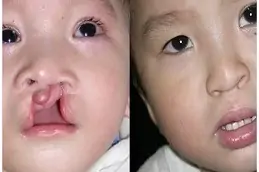
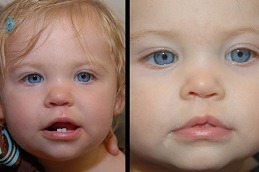
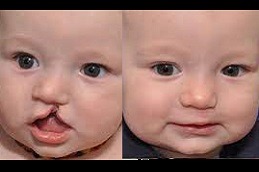
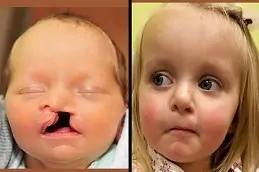
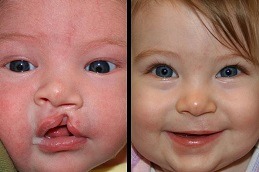
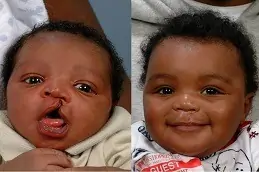
Benefits:
- Enhances facial functionality
- Transforms aesthetic appearance
- Removes visible signs of cleft palate
- Relieves from all pain and discomfort
- Improves speaking and eating abilities
- Increases lost self-confidence and self-esteem
- Corrects deformity of lip and nose caused by cleft
Who Is a Candidate?
Male and female genders with any degree of cleft lip and palate surgery can be selected for candidacy. You are a suitable candidate for the surgery if:
- You are in good overall health
- Your speech is not clear by birth
- You are between 6-12 months of age
- You have realistic expectations for surgery
- You want to refine the appearance of lip
- You want to improve the functionality of the mouth
Aim of Treatment:
Cleft lip and palate surgery aim to help the patients in swallowing, breathing, eating and speaking by closing abnormal opening between mouth and nose. Besides this, the treatment is also coming forward with the major goal of correcting the development and functionality of associated structures of the mouth.
Technique We Use:
The surgery can be challenging since only some surgeons have extensive experience performing this specialized procedure. Treatment is individualized for each patient. One child with cleft lip and palate may under different types of surgical procedures than the other child. The time needed to carry out cleft lip palate surgery depends on the severity of the cleft and the health of the baby. The steps involved are:
- A child is administered under general anesthesia or intravenous sedation. This will be selected by the surgeon after executing the severity of the cleft.
- Anesthesia is applied so that the patient doesn’t feel any kind of discomfort during the surgery.
- Incisions are created on the sides of the cleft and drawn together for closing the cleft. This creates a typical anatomy of the nose and lip.
- Following the procedure, muscles and tissues of the hard d soft palate are repositioned to rebuild the roof of the mouth.
- Once the cleft has been repaired, the surgeon uses absorbable or removable sutures for closing off the incisions.
Cleft Lip And Palate Surgery (FAQ’S):
Can Cleft Lip And Palate Surgery Be Performed In Adulthood?
To be precise, yes, adults can sign up for the customized sessions as well. However, the basic sessions must have been done earlier when they were kids.
What Is The Minimum Weight For Cleft Palate Surgery?
The minimum required weight of the patient at the time of undergoing the surgical session is ten pounds.
Which Is The Best Time For Surgical Repair Of Cleft Lip?
The best time to commence with the repairing of the cleft lip is when the patient is merely three to six months old.
What Are The Benefits Of Cleft Lip Repair?
One of the basic benefits of timely sign-up for the session includes curing and repairing the speech delay, while also improving the functionality of the face. The patients are also able to get rid of the signs of the cleft palate, along with providing relief from the painful and discomforting sensation encountered by the patient.
Does Cleft Lip Require Anesthesia?
Yes, the sessions organized to cure the cleft are commenced with the application of anesthesia, which is utilized to reduce the pain during the session by numbing the dermal and epidermal layers.
What Is The Immediate Care After Cleft Lip Surgery?
However, the patients are expected to encounter customized cautionary measures after the session. Still, on a generalistic note the cured portion of the skin is expected to be covered with a nongreasy pressure dressing along with the absorbing serum on the first night after the session.
Recovery:
Parents are requested to show much care for their children. Your baby is restricted to move hands-on treated areas as it can disturb the healing process. Sutures for closing incisions dissolve themselves or require removal within 5 days. A visible scar will be left behind after the surgery, which appears red, swollen, or bruised. It fades as the child gets older. During the first few months, the scar shrinks pulling the lip back and it can take years to settle into its final appearance.
Schedule A Consultation
If you or your child has a congenital deformity, visit Enfield Royal Clinic Dubai and Abu Dhabi for knowing about treatment options. Our expert surgeon in collaboration with the team performs cleft palate and cleft lip surgery under general or sedation anesthesia to rebuild the mouth and create a more attractive facial appearance. To book your appointment, fill in the consultation form.
Dr. Sannia Awais
Book an Appointment Request appointment information Dr. Sannia Awais Cosmetic Dermatologist and Hair Specialist Speciality:... Dr Mahmoud Akrama
Book an Appointment Request appointment information Dr Mahmoud Akrama Dermatologist and General Practitioner Speciality: General Practitioner,... Dr. Tamim Hasan
Book an Appointment Request appointment information Dr. Tamim Hasan DHA-LICENSED DENTIST Speciality: Cosmetic Dentistry and... Dr. Leen Makhlof
Book an Appointment Request appointment information Dr. Leen Makhlof Dermatologist and Nutritionist Speciality: Dermatology and nutrition... Dr. Sirouse Ghouchkhani
Book an Appointment Request appointment information Dr. Sirouse Ghouchkhani Lead Plastic & Reconstructive Surgeon Speciality: Plastic... Dr. Hemissi Bilel
Book an Appointment Request appointment information Dr. Hemissi Bilel Lead Aesthetic & General Dentist Speciality:General... Dr. Mohamad Sameer Alsalih
Book an Appointment Request appointment information Dr. Mohamad Sameer Alsalih Dermatologist and Aesthetic Skin Specialist... Dr. Mahya Kanani
Book an Appointment Request appointment information Dr. Mahya Kanani Obstetrician & Gynecologist Speciality: Cosmetic Gynecology... Dr. Kian Goudarzi
Book an Appointment Request appointment information Dr. Kian Goudarzi Lead Dermatologist | General Practitioner Speciality: Aesthetic...