

Losing weight is a real struggle with diet and exercise. For many people, it feels like an impossible task. Professional treatments, like Gastric Banding in Dubai, become helpful when there is no hope. This unique treatment approach makes it easier to lose excess weight. It allows you to regain control of your health. Our specialists at Enfield Royal Clinic provide you with effective solutions that are sustainable for weight loss.
Quick Facts
- Treatment duration: 30-60 minutes
- Ideal candidates: Obesity or weight-related conditions
- Results timeline: A gradual process that starts within weeks
- Longevity of results: The outcomes can be long-term
- Downtime/recovery: Needs 1-2 weeks
- Pain level: Mild to moderate
- Cost range in Dubai: From AED 9,000 to AED 20,000
- Technology used: Laparoscopic surgery
- Specialist required: Bariatric surgeon
What is Gastric Band Surgery? (Understanding the Procedure)
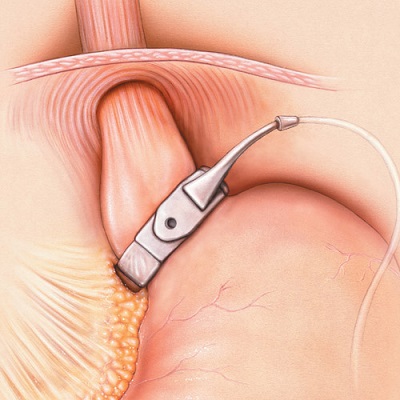
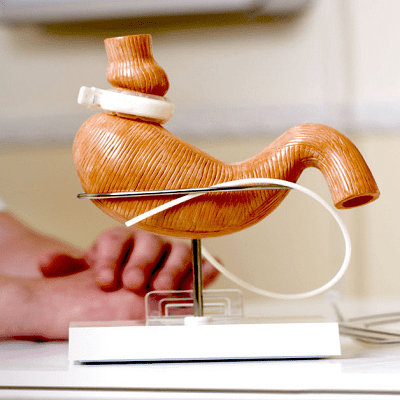
Gastric band surgery is a weight management procedure that helps people eat less. This unique technique places a silicone band around the upper part of the stomach. This reduces the normal size by creating a small pouch. The pouch can not take the normal amount of food that the person used to eat. This makes the person feel full with a small amount of food intake. The main goal is to control food intake so that the patient can find it easy to lose weight.
The process is gradual and becomes helpful when diet and exercise are not successful. The band can be adjusted during the treatment if changes are needed.
Results of Gastric Banding:


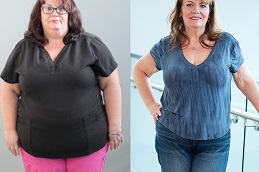


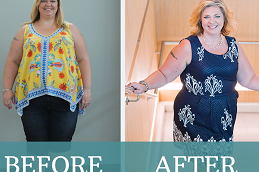
Gastric Band vs Other Weight Loss Surgeries in Dubai
| Factor | Gastric Band | Gastric Sleeve | Gastric Bypass |
| Invasiveness | Least invasive, no cutting | Stomach partial removal | Stomach size reduction and intestines adjustments |
| Reversibility | Fully reversible | Permanent | Generally considered permanent |
| Weight Loss | 35-50% excess weight | 60-70% excess weight | 70-80% reduction |
| Hospital Stay | Same day/overnight | 1-2 nights | 2-3 nights |
| Recovery Time | 1 week | 2-3 weeks | 2-4 weeks |
| Cost in Dubai | AED 9,000-20,000 | AED 32,000-50,000 | AED 40,000-65,000 |
| Adjustment Needed | Yes, periodic tightening | No | No |
| Complication Risk | 10-15% long-term | 5-10% | 8-15% |
| Vitamin Deficiency | Rare | Moderate risk | Risk can be higher |
| Best For | BMI 30-40, prefer reversible | BMI 40+, seeking maximum loss | BMI 40+ severe case with health issues |
Ideal Candidate for Gastric Band Surgery in Dubai?
Ideal people are usually the ones who give up in their journey to lose weight. This happens when excess fat becomes stubborn. Exercise and diet seem to be ineffective in such cases. With professional treatment, the journey feels natural and easy. Here is who can get Gastric Band Surgery Dubai:
- Have a BMI between 30 and 40
- Are overweight or obese and not successful with diet and exercise
- Prefer a reversible procedure
- Want a less invasive alternative to other types of surgeries
- Willing to attend regular follow-up visits for adjustments
- Do not have health issues that may increase risks
- Looking for a gradual and sustainable option
- Those with the motivation to improve their overall health
The Gastric Band Procedure at Enfield Royal Clinics
Our clinical team performs the procedure with precise methods. The team guides and supports you from the first visit to ongoing care. The procedure begins with a detailed discussion of your case. Our experts examine your condition and review your medical history. The overall treatment journey is smooth with our professional team. Here is how it works:
Before Your Surgery: Preparation Steps
You will need to follow a proper care routine before the procedure. Preparing for the treatment makes the process easy for you. Here is what happens before Gastric Band Dubai process:
- Attend a consultation with our specialists
- Medical evaluation and checkup
- Blood tests and health screenings with our team
- Dietary guidelines by our specialist
- May need to stop certain medications
- Avoid eating and drinking for a specified period
- Arrange transportation support after the treatment
Our team will provide you with personalized instructions. These guidelines align with your treatment plan and condition.
During Surgery: Step-by-Step Procedure
The surgical procedure is done under anesthesia to make it smooth. The process is short and usually takes 45-60 minutes.
Step 1: Anesthesia (5-10 minutes)
The team will give you general anesthesia. This will help you stay comfortable onward. You may not feel discomfort throughout the session. You remain asleep during the process.
Step 2: Laparoscopic Access (10 minutes)
The specialist begins the surgical procedure with precise steps. This includes making small incisions in the abdomen. The openings are made to insert a laproscope and other important tools. Our treatment techniques focus on making smaller openings. This shows less scarring in the treated spot. Recovery is also faster with this method.
Step 3: Band Placement (20-30 minutes)
Band placement is a smooth and careful step. Our clinic uses a soft silicone band that goes around the upper portion of the stomach. This creates a small pouch with less capacity for food. The adjustable band makes the patient feel fuller quickly. This gradually reduces the food intake.
Step 4: Port Placement (10 minutes)
The specialist attaches a small port to the band. This port allows future adjustments without making any surgical changes. Long-term weight management support is possible with the help of this port. Adjustment can be done without a surgical process.
Step 5: Final Checks & Closure (10 minutes)
Before completing the procedure, our team checks the band again. The team ensures everything is functioning correctly. This includes inspection of the surgical site. The expert then closes the incisions with care. Protective dressing application is the last step.
After Surgery: Recovery & Hospital Stay
After the procedure, our team monitors you closely. You remain in the clinic until the effects of anesthesia feel normal. Mild soreness around the incision site can be felt. The expert provides you with details on dietary and recovery instructions.
Recovery Timeline: What to Expect After Gastric Band Surgery
| Time Period | Recovery Stage | What to Expect |
| Week 1 | Immediate recovery | Mild soreness, discomfort. Most patients feel normal and perform light activities. |
| Week 2 | Transition phase | Energy levels begin to improve. Discomfort continues to decrease. Incisions are healing. |
| Weeks 3-4 | Soft foods introduction | Most patients feel almost normal. May return to normal activities. |
| Months 2-3 | Normal foods & first adjustment | The stomach has adapted to the changes. Effective weight loss can be noticeable. |
| Months 4-12 | Steady weight loss phase | Improvements continue with a healthy lifestyle. |
Gastric Band Adjustments: Fine-Tuning Your Weight Loss
The treatment journey is not over after placing the band. Regular adjustments continue to make the treatment effective. Our clinical team checks the level of restriction on the stomach. This is to ensure the treatment is safe and everything is normal.
How Band Adjustments Work
The adjustment process usually involves changing the amount of fluid inside. The controls how the band is held around the stomach. The process includes:
- A small amount of saline is added or removed
- The changes are made through a small port in the area
- This is a quick process that can be done without surgery
- No major downtime after adjustment
Why adjustments are important:
- To improve the outcomes
- To manage hunger and fullness levels
- To ensure safe eating habits
- To personalize the treatment
Signs Your Band Needs Adjustment
Our experts guide the patients about the follow-ups. Adjustments may be needed if you notice the following change:
Signs for a Tighter Band:
- Feeling hungry too often
- Weight loss has slowed or stopped
- Portion control feels too easy
Signs for a Tighter Band:
- Swallowing feels difficult
- Frequent vomiting or reflux
- Eating feels uncomfortable
- Unable to stay hydrated
Expected Weight Loss Results & Success Rates
- Most patients achieve 35-50% excess weight loss
- Long-term success depends on diet and lifestyle changes
- Regular changes improve the outcomes
- Follow-up visits are important for higher maintenance of the results
| Time After Surgery | Expected Loss (Approx) | % Excess Weight Loss |
| 1-3 Months | 5–10 kg | 10–20% |
| 3–6 Months | 10–20 kg | 20–35% |
| 6–12 Months | 20–35 kg | 35–50% |
| 12–18 Months | 25–40 kg | 40–60% |
| Long-Term (2+ Years) | Maintained loss varies | 40–60% (maintained) |
Long-Term Health Benefits Beyond Weight Loss
Laparoscopic Gastric Band Surgery Dubai offers more benefits than just losing weight. With proper maintenance, many health issues can be resolved with overall wellness. Here is how the treatment helps improve the quality of life:
Disease Resolution & Improvement Rates
Type 2 Diabetes
- 50-70% improvement in sugar control
- Many patients reduce or even eliminate the condition
- Better insulin sensitivity over time
Hypertension
- 40-60% improvement possible
- The need for medication also reduces
- Lower risk of heart-related issues
Sleep Apnea
- 50-80% improvement in breathing quality
- Snoring also reduces
- Better oxygen levels and sleep patterns
Joint Pain & Mobility
- Reduction in knee and back pain
- Mobility also improves with ease in physical activities
- Less pressure on joints
Cardiovascular Health
- Lower cholesterol levels
- The risk of heart disease reduces
- Better heart function
Mental Health
- Improved self-confidence
- Body image feels positive
- Many patients notice less anxiety and depression
Fertility
- Hormonal balance in the body improves
- Pregnancy outcomes can become healthier
Gastric Band Surgery Cost in Dubai: Transparent Pricing
Gastric Band Dubai Price ranges from AED 9,000 to AED 20,000. The cost usually changes depending on how long the journey takes. Some patients may need multiple adjustments for the treatment, which can increase the final cost. It is good to confirm the price with our team for a realistic breakdown of the Gastric Band Dubai Cost.
Why Choose Enfield Royal Clinics for Gastric Banding in Dubai
- 13+ years of experience in plastic surgery and aesthetic care
- 6,000+ treatments performed annually
- 26,000+ satisfied patients
- More than 90% success rate of all procedures.
- Free specialist consultation
- Strict hygiene and safety standards
- Less than 1% risk chances
- Flexible payment options with 100% financing
Gastroenterologists Dr. Mirna at Enfield Royal Clinic
Dr. Mirna are the leading specialists at our clinic. The guide your weight loss journey with their professional team. Our specialists plan a personalized method for each patient for better outcomes. This makes weight loss treatments at our clinic more effective and sustainable. Patients trust our clinical team for safe treatment methods. Our experts treat each case with care and compassion.
FAQs!
Am I a candidate for gastric band surgery?
You can be suitable if you have a BMI of 30 or higher. Our specialists help you determine if you should consider this option.
How long does gastric band surgery take?
The procedure can be quick. It can take 30 to 60 minutes. Most patients can begin light activities quickly.
How much weight will I lose with a gastric band?
The average outcome can be 35-50% of the excess weight. This average changes for every person.
Is it a painful process?
You may not feel anything during it. The effects of anesthesia help you feel normal. Mild discomfort can occur after the treatment for a few days.
How often will I need band adjustments?
Adjustments mostly occur during the first year. The exact number can vary based on how the body responds.
Can I eat normally after the treatment?
The eating habits will need to change. You will gradually shift to normal eating when the stomach adapts to the changes.
Book Your Weight Loss Treatment Today
Visit Enfield Royal Clinic for safe Gastric Banding in Dubai. We offer advanced treatment techniques that make weight loss simple. Our professional team stays with you for support and guidance. Visit our clinic to meet our experts.
Dr. Sannia Awais
Book an Appointment Request appointment information Dr. Sannia Awais Cosmetic Dermatologist and Hair Specialist Speciality:... Dr Mahmoud Akrama
Book an Appointment Request appointment information Dr Mahmoud Akrama Dermatologist and General Practitioner Speciality: General Practitioner,... Dr. Tamim Hasan
Book an Appointment Request appointment information Dr. Tamim Hasan DHA-LICENSED DENTIST Speciality: Cosmetic Dentistry and... Dr. Leen Makhlof
Book an Appointment Request appointment information Dr. Leen Makhlof Dermatologist and Nutritionist Speciality: Dermatology and nutrition... Dr. Sirouse Ghouchkhani
Book an Appointment Request appointment information Dr. Sirouse Ghouchkhani Lead Plastic & Reconstructive Surgeon Speciality: Plastic... Dr. Hemissi Bilel
Book an Appointment Request appointment information Dr. Hemissi Bilel Lead Aesthetic & General Dentist Speciality:General... Dr. Mohamad Sameer Alsalih
Book an Appointment Request appointment information Dr. Mohamad Sameer Alsalih Dermatologist and Aesthetic Skin Specialist... Dr. Mahya Kanani
Book an Appointment Request appointment information Dr. Mahya Kanani Obstetrician & Gynecologist Speciality: Cosmetic Gynecology... Dr. Kian Goudarzi
Book an Appointment Request appointment information Dr. Kian Goudarzi Lead Dermatologist | General Practitioner Speciality: Aesthetic... Dr. Elissa El Ahmadieh
Book an Appointment Request appointment information Dr. Elissa El Ahmadieh Clinical Dietitian, Head of Diet... Dr. Atena Shafaei
Book an Appointment Request appointment information Dr. Atena Shafaei Consultant Obstetrician & Gynecologist Speciality: Obstetrics &... Dr Hamza Saleem
Book an Appointment Request appointment information Dr. Hamza Saleem Hair Transplant Specialist Speciality: Hair Transplantation Nationality: Pakistan...