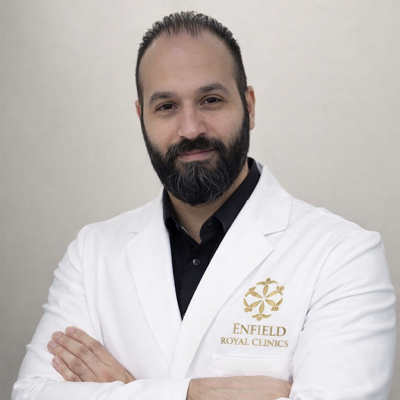
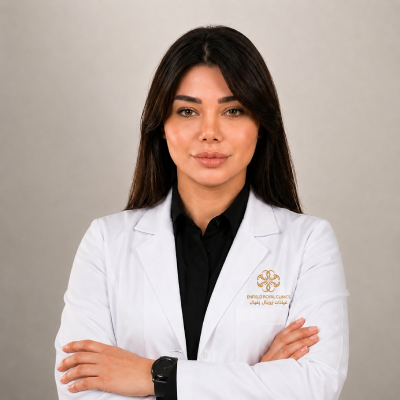
“Best IBS Treatments in Dubai: Expert care with expert IBS Specialists.”
Spending time with Irritable Bowel Syndrome can be quite disturbing as it affects almost every part of your life, ranging from daily life, eating and sleeping to emotional well-being and confidence. Don’t worry; at Enfield Royal Clinic, we bring personalized IBS Treatment in Dubai to help you regain digestive comfort and manage symptoms effectively. Our IBS doctor Dubai focuses on the root cause to offer long-term care tailored to the patient’s needs.
Quick Facts!
- Purpose: To treat symptoms linked with IBS.
- IBS Main Symptoms: Bloating, pain, constipation and diarrhea.
- Adults Affected: About 10-15% across the world.
- Women are affected the most.
- IBS Types: 4 Types (IBS-D, IBS-C, IBS-M, IBS-U).
- Diagnosis: Accurate screening takes about 30–60 Minutes.
- IBS Treatment Options: Medicines, Lifestyle adjustments and Psychological Therapies.
- Hospital stay: Not required.
- Consultation Duration: Our professional guidance will take only 20–45 Minutes.
What is Irritable Bowel Syndrome?
Irritable Bowel Syndrome (IBS) refers to a common gastrointestinal abnormality that affects your large intestine, causing recurring abdominal pain, bloating, gas, and abnormal bowel movements. It is regarded as a functional digestive illness that changes how the gut system works. People should consider professional treatment because IBS can impact daily lifestyle, work and social activities. A positive lifestyle and effective treatment can help manage this situation better.
IBS vs. IBD: Main Differences!
| Feature | IBS (Irritable Bowel Syndrome) | IBD (Inflammatory Bowel Disease) |
| Nature | Functional illness | Inflammatory disease |
| Intestinal Damage | No damage to intestinal tissues | Cause ulcers or inflammation |
| Common Signs | Bloating, diarrhea, constipation. | Blood in stool, high abdominal pain, and weight loss. |
| Diagnosis | Rome IV criteria, symptom-based | Biopsy and Colonoscopy. |
| Prominent Treatments | Lifestyle changes, medicines, and diet modifications. | Biologics and Immunosuppressants. |
| Warming Sign | Uncomfortable symptoms, but do not cause long-term harm | Blood/mucus in stool, unexplained weight loss, anemia, fever, etc., are |
Types of IBS: Which Type Do You Have?
Clinicians classify IBS into the following four main types based on the predominant bowel pattern. Understanding the exact types is the key to getting the most suitable treatment.
IBS-D (Diarrhea-Predominant IBS)
IBS-D is characterized by frequent loose stools, washroom urgency and cramps in the abdomen. Post-meal urgency and frequent flare-ups during the morning are common complaints in this situation.
IBS-C (Constipation-Predominant IBS)
This type causes hard stools or lumpy stools and infrequent bowel movements. It is accompanied by abdominal pain and bloating that slowly improve with time.
IBS-M (Mixed Type IBS)
IBS-M is the disturbing subtype that swings between diarrhea and constipation. This unpredictability causes frustration and makes self-management difficult. That’s why this type requires special diagnosis and guidance from an expert specialist.
IBS-U (Unclassified IBS)
After diagnosis and symptom evaluation, some patients do not meet the criteria of any of the D, C, or M categories. Such people come under the IBS-U type. Their symptoms do not fit clearly into other IBS subtypes.
Normal symptoms of Irritable Bowel Syndrome
The symptoms of IBS can vary based on the severity of the condition and how often episodes occur. Commonly experienced signs are:
- Persistent abdominal discomfort and Cramps.
- Availability of Mucus in Stool.
- Increased bloating along with intestinal gas.
- Episodes of Constipation or diarrhea.
- Irregular bowel movements.
- Extreme wind and gas.
- Manifestations increase after eating a meal.
- Digestive and fatigue discomfort.
- A sudden need or urgency to use the bathroom.
- Nausea around meal times.
What Causes IBS? Understanding the underlying factors
Stress, an unbalanced diet and an unhealthy lifestyle are found to be the main causes of irritable bowel syndrome. A few other factors that can also lead to it are:
- Gut- brain communication abnormality or problem.
- Your family or genetic history.
- Food sensitivities.
- Stress, post-traumatic or psychological factors.
- Gut bacteria,
- Previous infection or inflammation.
- Hormonal Aspects or triggers.
- Greasy or spicy foods
- Food intolerance
- Alcohol
- Sensitive nerves
Diagnosing Irritable Bowel Syndrome
The following tests are carried out to diagnose conditions that can trigger IBS in Dubai:
- Blood and Stool tests, such as complete blood count, to find out other diseases.
- Colonoscopy.
- X-ray.
- Breath tests.
- Psychological tests.
- Endoscopy.
- Anorectal manometry.
Comprehensive IBS Treatment Options in Dubai
We offer a wide range of IBS treatment dubai based on the symptoms and their intensity. Some of them are:
Medications and Medical Treatments
Some medicines are utilized to treat both types of mild to moderate Irritable Bowel Syndrome.
Medications for IBS-D (Diarrhea-Predominant)
| Medicine Name | Belonging Class and Use |
| Loperamide (Imodium) | It is from the antidiarrheal class that defeats acute diarrhea attacks. Imodium works by slowing intestinal motility. |
| Alosetron (Lotronex) | 5-HT3 antagonist that treats severe IBD in Females. |
| Rifaximin (Xifaxan) | It is an antibiotic that deals with SIBO and IBS after infection. |
| Cholestyramine | Bile acid binder that controls bile acid malabsorption linked with diarrhea. |
| Eluxadoline (Viberzi) | An opioid receptor modulator that reduces contractions causing IBS-D. |
Medications for IBS-C (Constipation-Predominant)
| Medication | Description |
| Lubiprostone | Chloride channel activator that softens stools to treat IBS-C in females. |
| Linaclotide | Guanylate cyclase-C agonist that is used for chronic IBS-C to soften stools. |
| Polyethylene Glycol (PEG) | It draws water into the colon and is used as a better treatment for constipation. |
| Psyllium Husk | A fibre supplement that deals with mild IBS-C and bulks stool. |
Medicines for IBS pain and Spasms
Muscles cramping, bloating, and spasms are commonly felt during Irritable Bowel Syndrome. The following prescribed medicines can be used to treat these symptoms.
- Hyoscyamine (Levsin)-An anticholinergic used to lower intestinal muscle spasms.
- Dicyclomine (Bentyl) reduces cramping after meals.
- Peppermint Oil (IBgard)-Herbal ingredient to lower general bloating and pain.
- Otilonium Bromide- Calcium antagonist for Chronic IBS pain.
- SSRIs such as Ecitalopram (Lexapro) that modulate gut-brain signals and improve symptoms.
- Tricyclic Antidepressants (low-dose amitriptyline)
- Low-Dose Amitriptyline.
2. IBS Treatment Diet: The Low-FODMAP Approach
The Low-FODMAP Approach is considered the most effective strategy to manage IBS. This involves reducing the fermentable short-chain carbohydrates, also called FODMAPs. People with IBS experience low absorption of these carbohydrates that cause gas, bloating or abdominal pain.
High-FODMAP foods to avoid
The following foods consist of high short-chain carbohydrates that should be avoided by IBS patients:
- Onions and garlic.
- Legumes and lentils (galacto-oligosaccharides).
- Wheat and rye (fructans).
- Mushrooms and Cauliflower.
- Yogurt. Soft cheeses and milk.
- Lentils and Legumes.
- Apples, pears, mangoes, and watermelon.
Low-FODMAP foods to be consumed
The following low FODMAP foods help People minimize the symptoms of Irritable Bowel Syndrome:
- Rice, Oats, and gluten-free bread.
- Plain proteins such as Fish, eggs, chicken, and tofu.
- Lactose-free dairy and hard cheeses.
- Cucumber, carrots, spinach, and bell peppers.
- Garlic-infused oils.
Individual bodies respond differently to different types of foods. That’s why it is crucial to identify your trigger food and consume the best diet to manage symptoms.
Note: At Enfield Royal Clinic, expert clinical dietitians work collaboratively with experienced gastroenterologists to suggest a Low-FODMAP diet with professional guidance.
3. Lifestyle changes for IBS Management
Managing your habits, stress levels, and sleep quantity is more important as it has a prominent effect on gut health and its functioning. These changes prevent IBS and alleviate its symptoms, avoiding the need for any medications.
- Stress Control: Controlling stress via mindfulness techniques like meditation and diaphragmatic breathing will help lower the symptoms of IBS effectively.
- Psychological Therapies: Cognitive Behavioural Therapy (CBT) for IBS ensures lasting improvements in symptoms by enhancing mental health.
- Regular Exercise: Aerobic exercises such as brisk walking, swimming, or cycling for 30 minutes a day can lower anxiety levels and improve IBS symptoms.
- Sleep Hygiene: Poor sleep can cause gut hypersensitivity. Addressing sleep disorders can help control IBS. Limit your screen time and get appropriate sleep with a regular schedule.
- Tracking Symptoms: keep a sign tracking diary to track your stress level, diet, sleep and bowel patterns daily. This will help monitor the treatment progress and change strategy if required.
Who is more prone to IBS? Explore Its Risk Factors!
The following are the people who are at a higher risk of developing Irritable Bowel Syndrome and are affected the most:
- Women are more likely to develop it, probably due to hormonal changes during the menstrual cycle.
- Irritable bowel syndrome affects adults younger than 50 years of age.
- An individual with a genetic family history of IBS.
- Those who are struggling with mental health problems like anxiety or depression.
- Those who have digestive illnesses or problems.
- People are sensitive to food.
- Consistent diarrhea or constipation episodes with discomfort or bloating can also be a developing factor.
- Those who take antibiotics more often and frequently.
Why Choose Enfield Royal Clinic for IBS Treatment?
Always trust our clinic for expert digestive care tailored to your lifestyle and condition. Here is why this clinic is the ideal choice for you. We carry the following distinctions:
- Highly qualified and experienced gastroenterology specialists.
- Advanced diagnostic tools.
- Personalized treatment plans.
- 27 services and availability across the weekends as well.
- Patient-centric compassionate care.
- Professional Nutritional and lifestyle guidance.
- Clean and hygienic environment.
- Longterm care and recovery support.
- Affordable and transparent costs.
- Multilingual care and support.
Living with IBS: Long-Term Management & Prognosis
Although IBS is a longterm digestive problem, its symptoms can be managed with some lifestyle changes and appropriate treatment to live with it. Regular follow-up appointments, medicines adjustments, stress management and professional help ensure good control over time.
Let’s explore some realities regarding IBS:
- Irritable Bowel Syndrome will not lead to cancer or IBD.
- With time the symptoms naturally fluctuate based on your management and lifestyle.
- Your treatment will need adjustment as your lifestyle and diet change.
- Studies suggest that many patients have experienced complete remission of IBS symptoms, gaining a balanced and healthy life.
- Early intervention ensures timely care and improves outcomes.
FAQs
Is IBS treatable?
You can’t eliminate IBS However, the symptoms can be managed with proper diagnosis.
Can home remedies help?
Yes, consuming probiotics and other remedies may help. Consult it with your doctor.
Can lactose intolerance affect it?
Yes, it will also trigger the symptoms. However, it is different from IBS.
Is IBS considered a disability?
If it is severe enough that it is creating hurdles in your daily activities it can be considered as a disability.
Can the symptoms change?
Yes, they can change over time. Moreover, their intensity may also fluctuate.
Can it cause weight loss?
IBS itself doesn’t cause weight loss. However, the symptoms may have an impact.
Get Better Digestive Health: Book an IBS consultation at Royal Clinic.
IBS can be an uncomfortable experience, but don’t worry; Enfield Royal Clinic aims to improve your health and quality of life. Our skilled gastroenterology specialists will identify the root cause and suggest a treatment plan. If you want to gain more information, fill in the form or call our hotline to book a consultation with us for Irritable Bowel Syndrome treatment in Dubai!
Dr. Sannia Awais
Dr. Sannia Awais has a wider experience in the field of Aesthetic Medicine, Hair restoration,... Dr. Hany Chidiac
Stay Younger Forever! Stay Young Forever From The Inside Out with our Anti Aging and... Dr Mahmoud Akrama
Dr. Mahmoud Akrama is a skilled general physician who specializes in aesthetic medicine and laser... Dr. Mahya Kanani
Dr. Mahya Kanani is a board-certified Obstetrician & Cosmetic Gynecologist. She is also DHA registered... Dr. Ahmed Naji Attiyah
We proudly announce yet another addition to the Enfield Royal Clinic family. Dr. Ahmed Naji... Dr. Diya Aldeen Mohammed
We are proud to announce the newest member and brilliant addition to Enfield Royal Clinics.... Dr Tamara Talib Hasan
Healthy smiles, and happy lives, Choose your path to oral wellness with our professional dentists-Dr... Dr Rashah Al Ahmed
Eat smart, and live well—your journey to health starts here with our expert nutritionist and... Dr. Nagham Mohammed Karagholli
Dr. Nagham Mohammed Karagholli: Precision Surgery for a Healthier Tomorrow! A surgeon specializing in laparoscopic... Dr. Abdullah Hussam Mezel
Transform Your Smile with Precision and Expert Care – Dr. Abdullah Hussam Mezel. Dr. Abdullah... Dr.Nibras Sufeian AlDoori
Dr. Nibras Sufeian AlDoori: Where Family Care Meets Timeless Beauty! Dr. Nibras Sufeian is a... DR. Mohamad Sameer Alsalih
Radiant skin, confident you—discover your journey to flawless skin with Dr. Mohamad Sameer Alsalih. Dr.... Dr. Hani Al Mozawer
He is a leading urologist with over 05 years of experience, renowned for his expertise in... Dr Mohammad Abu Al-izz
Mohammad Abu Al-Izz — Understanding Minds, Transforming Lives DHA & DOH Licensed | Jordanian Board-Certified... Dr. Osama Shaheen
“Your smile deserves the best dentist, Dr. OSAMA SHAHEEN, who crafts Confident Smiles with Precision... Dr. Tamim Hasan
“Dr. Tamim Hasan– an experienced and expert dentist committed to delivering precise and compassionate dental... Dr. Leen Makhlof
Looking for a reliable, experienced specialist in Dubai for your skin health? Choosing a dermatologist...