

Hemorrhoids are a common condition in which people experience swollen blood vessels in the anal and rectal areas, causing discomfort. Some people can’t identify the exact signs until the conditions get worse. This blog will list 4 Signs It’s Time for a Hemorrhoidectomy. Mild Hemorrhoids can be managed with over-the-counter medicines and lifestyle modifications, but severe hemorrhoids require surgery, hemorrhoidectomy. Keep reading to know when is hemorrhoid surgery necessary.
4 Signs It’s Time for a Hemorrhoidectomy
The following are four important signs that show when should hemorrhoids be removed surgically:
Persistent Pain and Discomfort
Occasional soreness from hemorrhoids is common during bowel movements. However, if the pain turns into consistent or severe, it could be a sign that the hemorrhoids have progressed past what domestic remedies can deal with. Chronic pain or discomfort is the first clear indicator.
- Someone with severe hemorrhoids regularly experiences:
- itching or burning around the anal vicinity.
- Long-time swelling that doesn’t enhance over time.
- Pain even while sitting or on foot.
Frequent Bleeding
Bleeding is a normal sign of hemorrhoids, but it should not be ignored if it becomes severe. Occasional bleeding is common but recurrent bleeding shows enlarged or inflamed hemorrhoids. Go for a laser hemorrhoidectomy or the surgery if:
- The bleeding occurs at a frequent rate.
- The amount of blood loss increases.
- You feel dizzy or weak.
Note: Same symptoms can also point to colorectal or digestive conditions. That’s why consultation with our expert bariatric and general surgeon should be carried out.
When all Other Treatments are Ineffective.
Many approaches, such as dietary changes, medicines, and fiber supplements, can ensure temporary relief from hemorrhoids. Severe cases don’t respond well to these first liners; they become ineffective during painful hemorrhoids. It indicates the need for surgery.
Hemorrhoidectomy is required for people suffering from:
- Frequent painful flare-ups.
- Larger external and multiple hemorrhoids.
- Long-term pain affects the quality of life.
Prolapsed Hemorrhoids That Won’t Go Back In
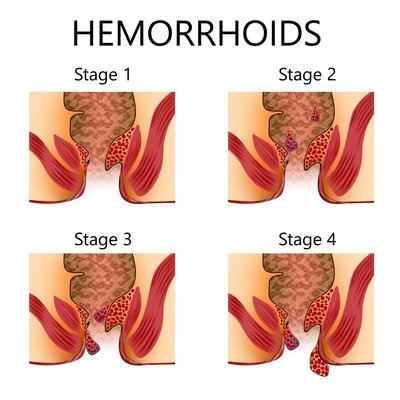
Hemorrhoids are categorised into four grades, with grades III and IV being prolapsed, which means they protrude from the anal canal and won’t retract on their own.
Grade III
With Grade III hemorrhoids, we can be capable of press them returned interior; however, they’re susceptible to sticking out again, causing ongoing pain and hygiene issues.
Grade IV
Grade IV hemorrhoids remain outdoors, and we can’t push them lower back, frequently leading to excessive pain, itching, and contamination risk.
A prolapsed hemorrhoid happens when it is pushed outside the anus area. Prolapsed hemorrhoids can not be relieved on their own and require surgery for their treatment.
Compassionate Hemorrhoids Pain Relief starts by Booking Us!
It’s time to take control of your health and put away all the discomfort resulting from Hemorrhoids. Our experienced Surgeons at Enfield Royal Clinic will further clarify your queries about these 4 Signs It’s Time for a Hemorrhoidectomy and offer a state-of-the-art hemorrhoidectomy. Without wasting your precious time, reach out to us quickly by booking an appointment with us right now!
FAQ’s:
Which signs indicate the necessity of hemorrhoidectomy?
Hemorrhoidectomy warning signs include persistent discomfort, rectal bleeding, prolapse, frequent flare-ups, and recurrent hemorrhoids.
Can I resume daily activities immediately after a Hemorrhoidectomy?
No patients should return to desk-based or remote working within 7-14 days after the procedure.
What should I eat after the hemorrhoid surgery?
Doctors suggest consuming a high-fiber diet filled with a lot of water, vegetables, fruits, and whole grains.