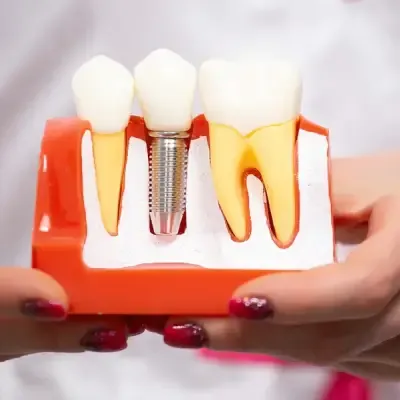



Dental implants are a long-term solution for missing teeth. Many people worry that the implant healing journey can be challenging. This guide explains the complete timeline after the procedure. The recovery time can be gradual, as the tissue beneath slowly heals. Understanding this complete process will help you stay calm and prevent different issues. Read this complete guide for details.
Dental Implant Healing Timeline: How Long Does It Take to Fully Recover?
The recovery after the procedure does not occur quickly. The device adjusts to the surrounding tissues through a gradual process. During this gradual change, it attaches and fuses with the jawbone. Full healing can take several months, depending on different factors.
The common recovery time in most cases is 3 to 6 months. Complete healing can be a longer process. It takes up to 9 months or longer in some cases.
Stage 1: First 24-72 Hours
This is the initial healing phase. During this time:
- Mild bleeding may occur
- Swelling around the area is common
- Slight pain or discomfort is also normal
- A blood clot forms at the treated site
Care Tips:
- Apply ice packs if there is swelling
- Take pain medications as prescribed
- Hot foods and drinks are not good during this period
- Do not disturb the treated area
Stage 2: First Week of Healing
Initial healing starts during this stage. Most patients can return to their usual routine. Swelling and discomfort start to reduce. The patient may notice:
- Reduced pain
- Gum sensitivity
- Slight bruising
- Soft tissue healing begins
Care Tips:
- Eat soft foods during the first week
- Regularly clean your mouth
- No smoking or alcohol
- Do not chew on the site
Stage 3: 3-6 Weeks After Dental Implant Surgery
Gum healing is a common occurrence at this stage. The jawbone may also respond to the implant during this time.
- Gums start closing around the device
- No visible swelling in most cases
- Tissue becomes stronger
- Stitch removal within 7- 14 days (if used)
What Happens Internally
The jawbone begins adapting to the new change. The integration process slowly starts.
Stage 4: 6 Weeks to 3 Months
This is a critical phase of healing. You may not feel any changes occurring externally. Internal healing and tissue adjusting start in this phase. Internal changes can be:
- The bone starts bonding with the device
- The stability of the implant increases
- No pain in most cases
Important Notes
- Avoid hard or sticky items
- Continue regular cleaning
- Follow-up visits are important
Stage 5: 3 to 6 Months
This is the main healing period. The implant integration with the jawbone occurs completely. This is an important process that determines the success of the treatment.
During this stage:
- The implant becomes stable and strong
- The bone fully attaches to the device
- The patient usually feels completely normal
At the end of this stage, the expert checks whether the patient is ready for the final crown placement.
Stage 6: Final Restoration (After 3-6 Months)
Once healing is complete:
- Abutment placement takes place
- The dental crown is attached
- Bite function becomes normal
At this point:
- Appearance looks natural
- Chewing ability returns fully
- Smile is fully restored
Warning Signs to Watch For
Contact your expert if you notice:
- Severe or increasing pain
- Excessive swelling after 5 to 7 days
- Pus or infection signs
- If the implant moves
- Fever or bad taste in the mouth
Book Your Implant Consultation
Get expert guidance and treatment for implants at Enfield Royal Clinic. Our clinic uses advanced techniques to make the treatment safe. We have a team of professional experts who supervise your treatment. Meet our experts if you need more details about the dental implants healing timeline.
FAQs:
When does the swelling go down?
It should reduce within 3 to 5 days. This is normal within the first week, and if the issue continues, you should inform your expert.
When can I eat normally?
Normal eating should be a gradual shift. You should start with soft foods for 1 to 2 weeks. The implant should not feel pressure due to hard chewing.
Can an implant fail during healing?
Yes, it occurs in rare cases. Good care reduces the chances of failure.