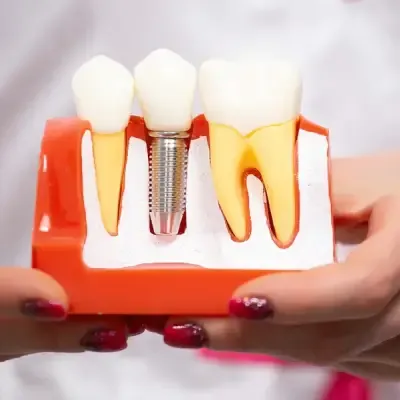



Dental implant surgery is a reliable and durable solution for missing teeth, enhancing tooth function and providing a natural-looking smile. Although the procedure has a high success rate, patients also report some swelling and pain during the initial healing days. It is completely normal to experience this discomfort, but the good news is that it can be managed with proper aftercare easily. Let’s discover some practical and medically backed tips on how to reduce pain after dental implant surgery.
How to Reduce Pain After Dental Implant Surgery
Dental implant recovery is straightforward, but the aftercare instructions need to be followed properly. During the first 24 to 72 hours, some discomfort is normal to be felt. Here are some effective tips that ensure dental implant pain relief:
Take prescribed pain medication on time
Discomfort is felt as the anesthesia wears off slowly. Your dentist will recommend certain painkillers to relieve this pain. Normally recommended medicines are the following:
- Non-steroidal anti-inflammatory drugs (NSAIDs).
- Prescription pain relievers
- Acetaminophen, etc.
Take these on schedule and on time. Always stick to the recommended dosage. Avoid overdosing.
Stick to all your dentist’s instructions.
The most important step is to properly listen to your dentist and follow all the postoperative measures. These include effective guidelines on your diet, oral hygiene, medications, and follow-up sessions. If you ignore these tips, you will increase the risks of complications and high pain.
Use a cold compress during the first 24 hours.
Dental implant swelling is a normal part of the recovery. Cold therapy can help minimize the discomfort as well as swelling effectively. Apply an ice pack to the outside of your implant side for about 20 minutes during the first 2 days of dental implant recovery. Here is how to do it:
- First, wrap the ice in a soft cloth.
- Allow equal breaks while applying the ice
- Continue doing so for the initial 24 hours.
This can relieve inflammation and ensure natural pain relief.
Do not put pressure on the implant site.
Pressurising the implant region can increase discomfort and might disturb dental implant recovery. Stay away from habits that put some strain on your implants, such as the following:
- Clenching or grinding your teeth or enamel
- Chewing on the side of the mouth
- Tearing the pack’s sealings through your mouth
- Biting on hard objects
You should use a night guard to protect your teeth if you grind your teeth at night.
Avoid any straw, alcohol, and smoking.
Sucking movements, such as the use of a straw, have the capability to cause painful outcomes by dislodging the healing blood clot. Alcohol and smoking need to be completely avoided throughout the early levels of restoration, because they both obstruct healing and increase the threat of infection.
Keep your head in an elevated position.
Use an extra pillow at night to sleep with your head slightly elevated. This will assist in reducing the throbbing sensation and swelling at night. It also reduces pain after dental implant surgery.
Eat healthy and soft, cool foods.
Hard and crunchy foods should be avoided as they can irritate the implant region and cause more pain. Always eat a soft and cold diet at the beginning of recovery.
Some normally suggested foods during dental implant recovery are:
Get Adequate Rest And Quality Sleep—7 to 9 Hours
The healing process is quick when you are sleeping. Get a noise-free sleep for 7 to 9 hours. Adopt a regular sleep schedule to speed up recovery and minimize the discomfort.
Keep Yourself Hydrated
Consume the right amount of water to support tissue repair and sterilize your mouth.
Refrain from any hard or carbonated drinks. Avoid drinking water using a straw, as suction can disturb the process of dental implant recovery.
Keep Good Oral Hygiene
Keep your mouth clean to lower the risk of infection. Avoid rough and aggressive brushing and keep a soft toothbrush for daily use. Gently rinse your mouth with antimicrobial mouthwash as per your dentist’s recommendation.
Limit hard physical activity.
Avoid getting involved in rough and aggressive physical doings and activities. This constant physical involvement can lead to more severe swelling and damage to the implant site.
Attend Follow-Up Appointments:
Regular checkups allow your dentist to keep track of the recovery progress and analyze implant stability. Follow-ups can also identify any risks and complications.
Warning signs to contact your dentist:
Although light pain is fine, if you experience the following signs, contact your dentist at your earliest convenience:
- Excessive discomfort regularly for more than seven days.
- Increased swelling after 3-4 days.
- Extreme or uncontrolled bleeding.
- Uneasiness in breathing and challenges in swallowing.
- Infection symptoms.
- When the implant gets loose
Your pain-free recovery starts here—book us.
Experience a smooth and comfortable healing with our expert dental guidance. Our experienced dentists at Enfield Royal Clinic Dubai offer advanced dental treatment at a reasonable price. They will also guide you further on how to reduce pain after dental implant surgery. Book a consultation with us right now to get expert guidance throughout your dental implant recovery. Fill out the consultation form given below:
FAQs!
How Long Does Dental Implant Pain Last?
Patients may face or feel mild discomfort or pain in the first 3 to 5 days after dental implants. The pain can be managed by following the recommended aftercare instructions from your dentist.
Does physical activity or stress increase pain after dental implants?
Yes, harsh doings can boost blood circulation and swelling around the implant site. This leads to a painful experience.
Do over-the-counter painkillers ensure dental implant pain relief?
Yes, many over-the-counter pain medicines are safe and effective to use as per your dentist’s directions.
How to Reduce Pain After Dental Implant Surgery?
Use a cold compress, stay hydrated, take the prescribed medicines on time, and follow all the post-care instructions recommended by your surgeon to significantly reduce the pain.