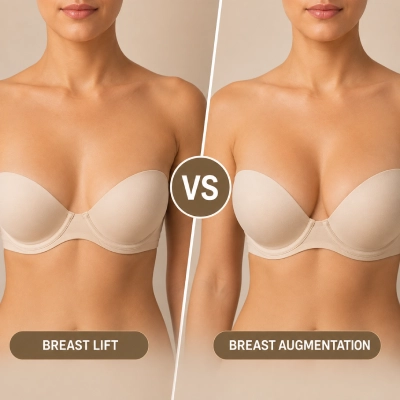



The journey after breast augmentation does not end after surgery. The healing process is as important as the procedure. During this period, the body adjusts as the breast implants settle into the right position. During this time, temporary swelling and mild discomfort are common that many patients can experience. It is important to notice changes in the appearance of the breasts and other unusual changes. This guide helps you understand the 5 stages of healing after breast augmentation.
5 Stages of Healing after Breast Augmentation
Stage 1: The First Few Days After Surgery (Days 1–7)
The first stage of healing begins right after the surgical process. In this stage, patients experience the most noticeable symptoms. They require the most rest in this period.
Common experiences during this stage include:
- Swelling
- Bruising
- Tightness in the chest
- Mild to moderate discomfort
- Tenderness around the area
- Fatigue
- Temporary numbness
During the first few days, the breasts may appear:
- Higher than expected
- Larger because of swelling
- Uneven in shape or position
Stage 2: Early Recovery and Reduced Swelling (Weeks 2–3)
Most patients begin feeling much better. During the second stage, energy levels usually improve. Daily activities may feel easier. During this period, patients often notice:
- Reduced swelling
- Less bruising
- Better mobility
- Improved sleep
Activities Guidelines
Patients are usually allowed to:
- Return to office work
- Walk normally
- Perform light tasks
- Resume gentle activities
Stage 3: The “Drop and Fluff” Phase (Weeks 4–8)
This is often the stage the patients may be waiting for. This is called the “drop and fluff” period because implants move downward and the natural tissue becomes softer. During this stage:
- Implants begin settling lower
- The breasts become softer
- Shape improves
- Symmetry becomes better
- The shape starts looking more natural
Stage 4: Scar Maturation and Tissue Remodeling (Months 2–6)
Most visible swelling has improved by this point. Healing continues beneath the surface. In this period, the body enters a phase called tissue remodeling. Many patients can begin to enjoy the results. During this stage:
- Scar tissue matures
- Incisions soften
- Breasts shape improves
- Skin adjusts to the new contours
- Internal tissue strengthens
Stage 5: Final Results and Long-Term Healing (6–12 Months)
In the fifth stage, patients typically see their final results. Many women report increased satisfaction from the outcomes during this stage. By this time:
- Swelling has largely resolved
- Implants have settled
- Scars continue fading
- Breast softness improves
- Shape becomes stable
Patients often notice
- Natural breast movement
- Improved symmetry
- Better implant positioning
- More natural contours
Factors that Affect Healing Speed
Every patient may walk through a different recovery path. Several factors affect this journey, such as:
- Implant placement
- Implant size
- Surgical technique
- Overall health
Activities to Avoid During Recovery
To protect your results, avoid:
- Heavy lifting
- Running
- Weight training
- Sleeping on your stomach
- Smoking
- Nicotine products
- Excess alcohol
Warning Signs That Need Medical Attention
Contact your doctor if you experience:
- Sudden swelling
- Severe pain
- High fever
- Increasing redness
- Pus or drainage
- Chest pain
- Difficulty breathing
Book Your Consultation for Expert Breast Augmentation
Have a question about breast augmentation? Visit Enfield Royal Clinic to get personalized recovery advice. We are qualified professionals who help you achieve the best outcomes with breast augmentation. Book your visit today and make the 5 stages of healing after breast augmentation smooth.
FAQs
Is swelling normal after the surgery?
Yes. It is a normal part of the healing process. It occurs temporarily and may improve gradually over several weeks. Sometimes, it takes several months.
When can I return to exercise?
You can resume light activities within a few weeks. It is good to get approval from your surgeon before starting heavy activities.