


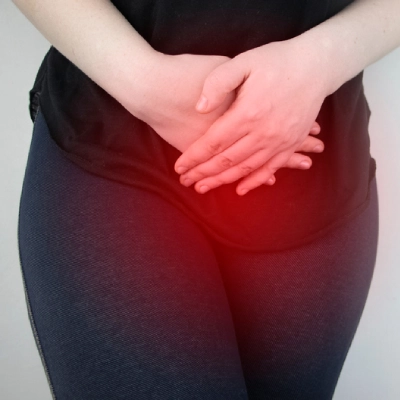
Are you feeling a mysterious belly bump that is not budging, even with diets? This can be a symbol of uterine fibroids because, as per research, about 50-60% of women develop uterine fibroids after 50. Your body often gives small signals when something changes. A stomach bulge is one of them. If you are wondering, could a stomach bulge be fibroids? When you notice a constant proptosis that does not go away regardless of what measures you take in your health journey, it becomes important to get to know the cause. We can help you at Enfield Royal Clinic. Let’s uncover all the details.
Stomach bulge
A stomach bulge is a visible protrusion or swelling in the abdominal area that can enlarge the belly. The bulge is usually caused by fat, belly fluid, gas, weak muscles, or organ enlargement, but the most frequent cause is uterine fibroids. The shape of the bulge is round and lumpy, and it is located anywhere in the upper, middle, and lower abdomen.
What Are Uterine Fibroids?
Fibroids are non-cancerous growths that occur in the muscular tissue of the uterus. 60% of women can have them after their 50s. These benign tumors that form within or near the uterus can range from being very small to large enough to be noticeable. The size and positioning of fibroids matter when it comes to their impact on your health. Fibroids have another name that includes ‘uterine fibroids’ or ‘leiomyomas’. Despite the technical name, the term refers to benign muscle tumors in women. Modern medicine offers a way of managing these benign tumors.
Could a stomach bulge be fibroids?
Absolutely, there is a possibility for one to have fibroids leading to the development of a stomach bulge. When fibroids enlarge, they tend to cause a bulge as they extend from the uterus. A person might be able to notice a bulge in their lower abdomen as a result of such enlargement.
The difference between fibroids belly bulge and any other bulge is its texture. Instead of being soft like fat tissue, the fibroid bulge is rather firm. One can experience having their clothes become tighter at the waist area despite no changes in body weight.
The types of fibroids that cause a stomach bulge are:
- Intramural Fibroids: This fibroid grows inside the uterine wall and enlarges with time to cause an increase in the size of the uterus.
- Subserosal Fibroids: They grow on the outside part of the uterus. It usually causes the stomach to protrude outward.
- Pedunculated Fibroids: This fibroid is connected through a stalk to the uterus. It influences the body shape depending on its size.
How do fibroids cause a stomach bulge?
Large fibroids displace abdominal organs and may stretch the uterus. Usually, stretching creates a mass in the midline that usually looks like pregnancy. A fibroid can weigh 20+ pounds, and it can cause pelvic pain, heavy period bleeding, and frequent urination or constipation.
Symptoms:
A stomach swelling is a common symptom, but there are also some other indications of a fibroid stomach bulge.
- A feeling of fullness or heaviness in the lower abdomen.
- Increased pressure in the pelvic area.
- Frequently, I need to urinate.
- Changes in menstrual patterns.
- A sense of tightness in clothing around the waist.
Not all these symptoms are experienced by everyone. Fibroids are often asymptomatic until discovered at the time of routine checkups.
When is a stomach bulge not a fibroid?
In many cases, a stomach bulge should not be a fibroid. Some common alternatives are the following:
| Condition | Key Features Differentiating from Fibroids |
| Ascites (fluid buildup) | Soft, diffuse swelling of liver disease |
| Ovarian Cysts/Tumors | One-sided and cystic on ultrasound |
| Pregnancy | Positive pregnancy test; uterine growth with fetus |
| Bloating/Gas (IBS/Diet) | relieves with bowel movements |
| Hernia (e.g., umbilical) | Soft, reducible lump; worsens with straining |
| Endometriosis | Diffuse pain |
| Cancer | Rapid growth, weight loss, ascites |
| Weight Gain | Soft, diffuse fat; no mass on imaging |
Diagnosis and Confirmation
At Enfield Royal Clinic, the diagnosis starts with a consultation that allows your doctor to discuss with you the possible causes of your concerns.
First-line tests are:
- Pelvic Exam: Feels for masses.
- Ultrasound (Transvaginal/Abdominal): visualizes fibroids’ size/location
- MRI/CT: For complex cases (e.g., if cancer is suspected).
An ultrasound scan can then be performed, among other tests, to diagnose whether there are fibroids in your body. It is painless and safe. There is no need for worry; our experts ensure everything is explained and made easy.
Treatment for a stomach bulge is Fibroids:
Some of the common ways to deal with fibroids include:
- Medical Management: You can choose different medications depending on your preference to get relief from fibroid symptoms. This method works well with small fibroids.
- Minimally Invasive Procedures: With new technology, minimally invasive procedures can be conducted by expert surgeons to remove the fibroids.
- Surgical Solutions: Sometimes, it may become necessary to undergo surgery and have fibroids removed while keeping the uterus untouched. Modern surgeries are considered very efficient.
Every approach is individual. Your health and safety always remain at the center of attention.
Book your consultation today and take the first step toward clarity and confidence.
If you are wondering, could a stomach bulge be fibroids? Visit Enfield Royal Clinic Dubai for expert guidance. Our specialists are here to help you understand your condition and choose the most suitable care for your needs.
FAQs
Can fibroids always cause a stomach bulge?
Not always. It usually depends on their size and location.
Is treatment personalized?
Yes, treatment plans are always matched to your condition and goals.
Is a fibroid belly hard or soft?
The fibroid belly is very firm, which makes it different from general abdominal fat.
Can a fibroid cause weight gain?
Yes, it contributes to weight gain and can cause a measurable increase in waist size.