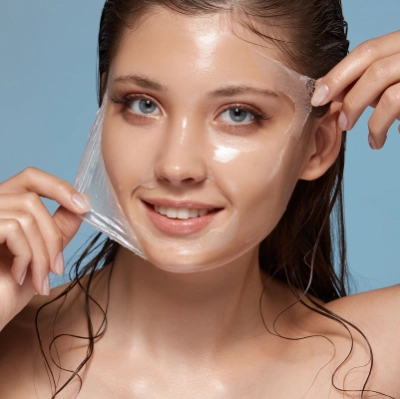


Do you want to get younger-looking and flawless skin? No doubt, chemical peels and microdermabrasion are the most suitable treatments to fulfill your dreams. Both ensure a radiant red carpet glow, but you might be confused about which one to choose. Don’t worry, let’s compare Chemical peel vs Microdermabrasion. Stay in touch with us!
What is a Chemical peel?
A Chemical Peel is a skincare treatment that utilizes special chemical solutions to nourish the dermal outer layers. These solutions include salicylic acid, trichloroacetic acid, glycolic acid, etc. It reduces wrinkles and fine lines by eradicating any dead cells and stimulating cell growth.
Understanding Microdermabrasion
Microdermabrasion refers to a non-invasive skin exfoliation treatment characterized by the use of a device containing fine crystals or a diamond-tipped wand. This device slowly putaway the top layer of dead skin cells. It needs no downtime, and no chemicals are used here, leading to minimal side effects and a brighter, smoother skin.
Chemical peel vs Microdermabrasion!
The table given below points out the differences between these approaches:
| Feature | Chemical Peel | Microdermabrasion |
| Method Used | Uses chemical solutions or acids, resulting in controlled injury or nourishing the skin. | Physical exfoliations that utilize a diamond-tip wand or fine crystals |
| Type of Exfoliation | Chemical Exfoliation | Mechanical Exfoliation |
| Depth | Epidermis, medium, and deep surfaces are targeted based on the peeling type. | Primarily superficial: focusing on just the outermost layer |
| Ingredients | Glycolic Acid, Lactic Acid, Salicylic Acid (BHA), Trichloroacetic Acid (TCA), Phenol. | None, it’s a device-based treatment. |
| Best for | Instant or immediate glow | Deep transformations like spots or fading scars |
| Procedure duration | 30-60 minutes. | 30-45 minutes. |
| Results | Long-lasting and dramatic outcomes | Immediate and subtle glow |
| Downtime | 1-2 days of rest are compulsory | Minimal to none |
| Discomfort Level | Mild tingling to a burning sensation | Normally painless |
| Acne Treatment | Excellent for treating active acne | Good for non-inflammatory acne (blackheads, whiteheads) |
| Frequency | Less frequently required based on the type of peel. | More frequently needed.Every 2-4 weeks |
| Risks/side effects | Hypopigmentation, infection, scarring, redness, etc. | Low risks such as temporary redness, abrasion, broken capillaries, etc. |
| Cost | More costly | Affordable/low price. |
| Combination | Often combined with other treatments such as laser. | Often used as a pre-peer therapy or combined with LED light. |
Book Us for your skin Transformation!
Are you ready for a radiant glow and high confidence? Because Enfield Royal Clinic brings state-of-the-art skin brightening Treatments. Our highly talented dermatologists will provide the best personalized treatment in chemical peel vs microdermabrasion. Don’t waste this opportunity and grab it by booking an appointment with us now!
FAQs Don’t worry, these treatments are safe for all dermis types. It is suggested to avoid makeup for at least 24 hours so that skin can heal properly. You can go with it after this duration. The main difference lies in their mechanisms. A chemical peel uses various chemicals to exfoliate the dermis; however, microdermabrasion employs a device containing fine crystals or a diamond-tipped wand to beautify the skin. As chemical peel uses various acids, this is why they can result in various risks. Microdermabrasion, on the other hand, is considered free from after effects. What if my skin is sensitive?
Is it good to wear makeup after a chemical peel or microdermabrasion?
What is the difference between a chemical peel and microdermabrasion?
Chemical peel vs Microdermabrasion: Which has more side effects?