


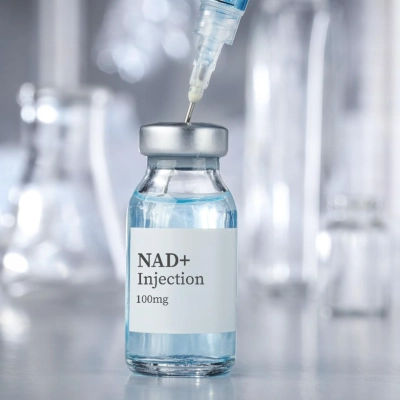
Precision and care make any treatment effective. NAD+ injections are treatments that improve energy levels and mental focus. The therapy has many health benefits if it is administored the right way. Sometimes, a small mistake can affect results. This guide breaks down the NAD+ injection Standard Operating Procedure into easy steps. Reading the blog will help you perform this therapy with confidence.
NAD+ Injection Standard Operating Procedure (SOP)
NAD+ injections are gaining attention for energy support and overall wellness. But the treatment can only be effective when it is done correctly. With a clear SOP, one can expect the therapy to be safe and have better outcomes.
Why is an SOP important?
Standardized therapy can be beneficial in many ways:
- Maintain patient safety
- It corrects the dosage and administration
- Reduce risk of complications
- Results can be consistent and reliable
- A professional is important to build trust
Step-by-Step Assessment
Step 1: Patient Assessment
Evaluation is an important step before the therapy.
- Considering the medical review of the patient
- Check for allergies or sensitivities
- Discuss goals for considering the therapy
- See if there are any contradictions
- It is good to get a proper consultation before the therapy.
Step 2: Preparation of Materials
Make sure everything is ready before the therapy:
- NAD+ vial
- The syringe and needle should be sterile
- Alcohol swabs
- Gloves and disposal
Step 3: NAD+ Dosing Protocol
- Follow the right nad+ injection dosage per day plan
- You can use a Nad+ injection dosage chart
- Draw the correct amount into the syringe
- Check if the amount is accurate
- Ensure the nad+ dosage per week
Step 4: Injection Technique
NAD plus injection can be administered via:
- Intramuscular (IM)
- Intravenous (IV) ( for advanced step-ups)
For IM injections:
- Choose a proper spot ( upper arm or glute
- Clean the site properly
- The angle for the needle insertion should be correct
- The injection process should be slow and precise
Step 5: Monitoring During Procedure
- Observe the patient for any discomfort
- Watch if they feel dizzy or have other issues
- Communicate with the patient clearly
Step 6: Post-Injection Care
Following the care routine is also important. Here is what you should do:
- Apply gentle pressure to the site
- Avoid intense activity for a few hours
- Report any unusual issues
- Follow all the instructions properly
Safety Precautions
- Always use sterile tools
- Never reuse the equipment that should be disposed of
- Follow hygiene protocols
- Emergency support should be available
- Only trained professionals should perform the therapy
Possible Side Effects
The therapy is safe when you follow the SOPs. Some minor effects may arise, such as:
- Mild pain at the site
- Temporary fatigue and headache
- Slight nausea (rare)
They usually resolve quickly
Who is an Ideal Candidate?
The injections may be suitable for people who:
- Feel low energy all the time
- Want anti-aging therapy
- Need recovery from stress
- Seek overall wellness improvement
Results and Expectations
- You may feel the effects within hours or days
- Energy and focus may improve slowly
- Multiple therapies may be recommended for better effects
Ready to Experience the Benefits of NAD + therapy? Book Your Free Consultation Today
If you need expert guidance on the NAD+ Injection Standard Operating Procedure (SOP), visit Enfield Royal Clinic. We have certified experts who guide you the right way with ongoing support. You can contact our team to plan your free consultation.
FAQ’s:
How much Nad should I take?
There is no one fixed amount for all. Every person may have different needs. Generally:
- For IM injections: often around 50-200 mg per session
- For IV: can range from 250 mg to 500 mg
Is NAD+ therapy a safe option?
Yes, it is generally safe therapy that many people get. Issues are rare if done by a certified professional.
How many therapies will I need?
It depends on your particular goals. Multiple sessions usually give better outcomes.
Are there any side effects?
Complications can rarely occur if the SOPs are not followed. Some common issues can be slight pain or fatigue.
Who should avoid the therapy?
People with certain medical conditions or allergies.


