

Scars usually occur after most of the surgical procedures. But with the right methods and approaches, the procedures may not leave visible marks. Many people want to upgrade their breast appearance with effective treatments. But the possibility of showing visible marks becomes a concern for them. In this guide, we give a detailed overview of understanding and reducing breast augmentation scars. Read to explore all the details.
Understanding and Reducing Breast Augmentation Scars
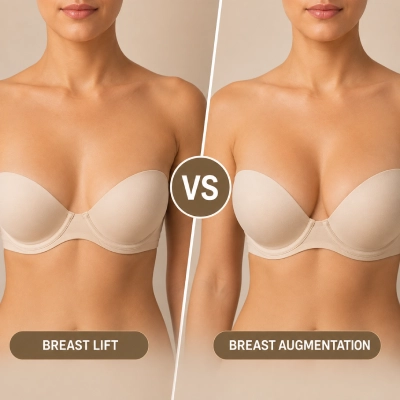
Breast Augmentation is a surgical procedure that improves breast volume and shape. Like other procedures, it also leaves some marks as the doctor makes small cuts on the breast to make adjustments. While it is normal to have scars after such treatments, certain instructions will help to prevent them from becoming openly visible.
What Causes Breast Augmentation Scars?
When there is any type of injury on the skin, it naturally heals over time with small marks on the area. This is a normal sign of natural recovery. The same is the case with this treatment. The surgeon makes small openings in the breasts to place the implants. When the cuts heal, scar tissue appears on the site. The appearance of these marks may be different for each person. Some show fine lines, while others may develop more visible marks. It depends on:
- Skin type and healing ability
- Type of incision used by the expert
- Size of the augmentation
- Aftercare and personal habits
Where Do the Scars Occur?
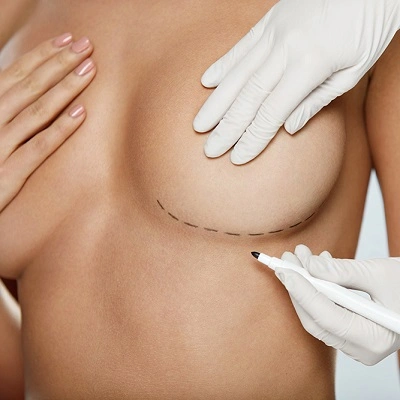
Breast augmentation scars appear on the area where the expert makes incisions during the procedure. The location of this opening plays a big role in how visible the mark will be. Common spots may include:
- Under the breast: These marks are usually hidden in the natural crease. They are not clearly visible as the curves hide the lines.
- Around the nipple: This spot is also a safe option to hide the marks. Here, the incisions smoothly blend with natural skin color.
- Under the arm: This area also has importance in hiding the scars. It keeps the marks away from the visible areas so that they can’t be seen.
How to Reduce Breast Augmentation Scars?
It is not possible to completely avoid the marks during the procedure. They will occur no matter how precisely the treatment is done. However, the appearance of these marks can be reduced with proper care. Some treatments also help reduce the signs.
Follow Proper Aftercare:
- Taking care of the treated spot is very important. You should keep the area clean and not apply pressure on the site during the healing time. When you follow the instructions properly, the area heals smoothly.
Use Silicon Gel or Sheets:
- These products are very effective in reducing scars. They keep the treated part hydrated and improve the texture. This helps the area appear smooth quickly.
Laser Treatments:
- This therapy can improve the color and texture of the tissue. It works by activating natural growth in the area. As a result, the marks become less visible over time.
Microneedling:
- Making tiny injuries on the spot can tigger natural healing process. This can make the area smooth as new tissues form. The results may show gradually with fewer visible marks.
Massage Therapy:
- This should be done when advised by an expert. A gentle massage of the area can help break down the tissue that forms scars. It improves the flexibility of the tissue to help it appear smooth.
How Long Do Scars Take to Heal?
The appearance of augmentation scars after the treatment changes gradually. In the beginning, it may appear as a small red line. Over the next few months, healed breast augmentation scars become less noticeable.
- First few weeks: Healing phase
- 3–6 months: Marks start to fade
- Breast augmentation scars after 6 months: Become softer and less visible
Smooth Scars, Start Your Care Today
If you are looking for expert breast augmentation, visit Enfield Royal Clinic today. We use modern technologies that offer precise treatments with natural-looking outcomes. Our trusted experts carefully perform the surgery so that it doesn’t leave visible marks on the area. If you need more guidance or help, you can book a free consultation here.
FAQ’s:
How long do the marks take to heal?
Initial healing takes a few weeks. Complete improvements can take 6 to 12 months.
What is the best way to remove the spots?
The best option usually varies for each person. Consulting an expert will help to find the best care method.
Is treatment needed to reduce the marks?
In some cases, they may thicken or darken. If this occurs, professional care may help to reduce the marks.