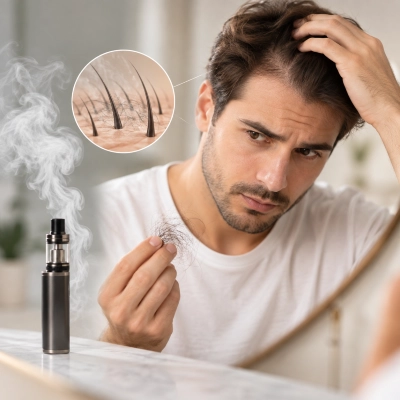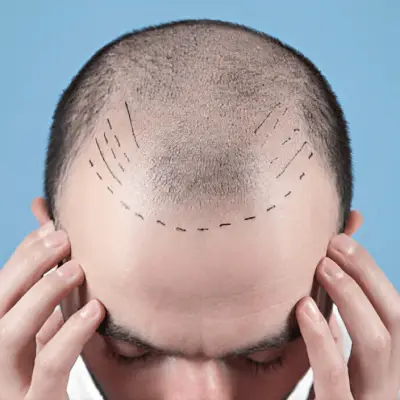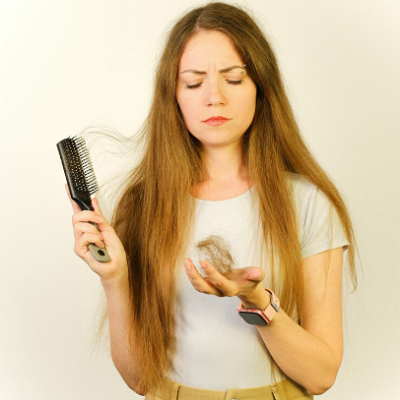


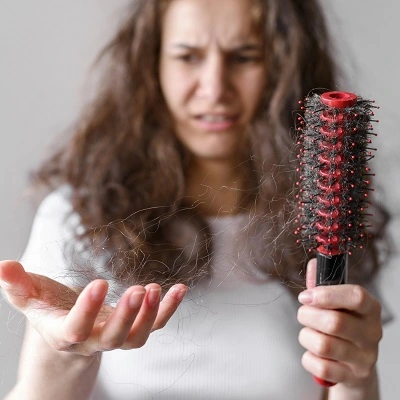
Are you worried about hair thinning and balding due to aging or any other cause? Does gradual balding of the scalp affect your confidence? Don’t worry, it’s a common concern and can be treated easily. Enfield Royal Clinic provides amazing Hair loss treatment in Dubai. Our best hair specialists use advanced technology and proven solutions to stimulate hair regrowth and restore your confidence. Stay here and keep scrolling to explore!
Quick Facts!
- Treatment Purpose: To correct hair fall and restore the damaged follicles.
- Cost: Falls in the range of AED 6,999 to AED 8,000.
- Duration of Treatment: 20-30 Minutes for non-surgical options.
- Wide treatments: We provide both effective surgical & non surgical hair loss treatments.
- Results: Ensures Long-lasting and natural hair regrowth.
- Full Recovery: The healing takes 6-12 months based on the treatment type.
- Back to Work: Immediately or within a day.
What is Hair Loss Treatment?
Hair loss treatment in Dubai refers to a wide range of surgical and nonsurgical medical procedures that control hair fall or baldness, and hair thinning in both men and women. Many techniques are used to treat hair fall, such as Hair Transplant, lasers, PRP, Stem cell therapy, Exosomes, etc based on the patient’s hair conditions and the desired goals. Our Hair loss specialist will assess your hair and scalp and then devise a personalized treatment plan.
What Causes Hair loss?
Hair fall is a condition in which you start losing hair from the scalp and other parts of the body. There are several causes of hair loss, and we will list some of them below:
- Genetic Factors: Baldness in both men and women is often inherited from their parents or family.
- Hormonal Imbalances: changes in the hormone levels during pregnancy, childbirth, or menopause can also lead to hair fall.
- Nutritional Deficiencies: Less intake of essential nutrients such as vitamins, mineral and proteins can also increase hair shedding.
- Stress: Anxiety or emotional stress can also affect the natural cycle of hair growth, causing excessive shedding.
- Poor Lifestyle Factors: Poor hair care practices and daily life habits such as excessive use of styling tools, excessive brushing and tight hair styles can lead to hair fall.
- Medical Conditions: Certain diseases such as thyroid disorders, scalp infections and other autoimmune disorders can also lead to weak and brittle hair.
- Medications and Treatments: Some medicines, such as chemotherapy drugs, antidepressants, blood thinners, hormonal regulators, etc can also trigger this condition.
- Physical Damage to Hair: Injury or physical hair damage can damage the follicles and cause their shedding.
- Aging: hair loss is common to occur with aging as the amount of growth factors decreases in the body with time.
- Environmental Factors: Harsh weather or climate changes can also cause hair loss.
Types of Hair Loss
The following types of hair loss are commonly noticed:
Androgenetic Alopecia(Male Pattern Hair Loss)
This type is characterized by thinning at the crown, in which hairs turn finer and shorter before the growth stops completely. It is a gradual recession with an “M-shaped” hairline and primarily affects men in their early 20s or late teens.
Telogen Effluvium( stress connected)
Here, increased hairfall starts to happen during washing or brushing. It is a sudden change that affects both men and women of any age. It can be fully treated and reversible.
Female Hair Thinning
This type normally occurs in females after the age of 30. It is very common during the hormonal changes, such as menopause, postpartum, etc. Sometimes it is reversible and sometimes not because it depends on the root cause of medical conditions.
Alopecia Areata (Autoimmune)
The appearance of sudden, round or oval bald patches indicates the presence of this type of hair loss. It also affects both men and women. It often begins in young adulthood or early childhood. The reversibility is unpredictable and the hair might grow by itself after the healing.
Symptoms of Hair Loss
Hair loss can vary in terms of signs and symptoms. We will list some of them below. If you notice any, consider visiting a doctor to diagnose and treat:
- Thinning Hair
- Receding Hairline
- Bald Spots
- Excessive Shedding
- Visible Scalp
- Hair Breakage
- Patchy Hair Loss
- Changes in Texture
- Itchy or Scaly Scalp
Top Benefits of Hair Loss Treatment
Here are some advantages of this Hair regrowth treatment Dubai that you can expect if you get treatment from our skilled and qualified hair specialists:
- Healthy Hairs: The hair will look healthier and fuller.
- No hair loss: This treatment minimizes hair fall and its shedding.
- Boost Confidence: Your self-confidence will increase.
- Long-term Results: Certain hair loss therapies provide long-term and natural fixes.
- New Hair growth: This treatment also stimulates the growth of new hair.
- High hair Density: This increases the density and thickness of hair.
- Prevent Future Loss: Future hair loss may be avoided with its assistance.
- Safe Procedures: The risk and complications are reduced by non-invasive options.
- Healthy Scalp: Additionally, it supports the health of your scalp and hair.
- Highly Personalized: Depending on your needs, the treatment can be greatly personalized.
- No Rest time: The majority of the Non-surgical hair loss treatments have very little downtime.
How can Hair loss be diagnosed?
Our specialists will carry out a thorough and personalized assessment to understand the exact root cause of the patient’s hair loss. This will help them suggest a personalized treatment type to the patient. The hair loss diagnosis is carried out in the following manner:
| Hair Loss Diagnosis Type | Description |
| Scalp and Medical History Evaluation | We will examine your scalp health by taking a close look at the scalp and follicles. Along with this, your health, family history, and current medicines are checked. |
| Trichoscopy (Scalp Imaging) | It is a diagnostic tool that takes a detailed image of the scalp to analyze hair density and follicle conditions. |
| Blood Tests | Some blood tests might be carried out to check for thyroid abnormalities, hormonal imbalances, and autoimmune issues. |
| Hair Pull Test | It judges the rate of active hair fall or shedding. |
Types of Hair Loss Treatments
Hair loss or alopecia is a major concern that affects about 90% of men and 40% of women globally. But you don’t have to worry anymore, we provide the following popular Hair regrowth treatments tailored to your scalp conditions:
PRP for Hair Loss
Platelet-Rich Plasma therapy is a non-invasive treatment in which your plasma is extracted, purified, and injected into the scalp. The concentrated growth factors in it will help promote hair growth and prevent damage by supplying blood to the follicles. It is best for slight hair loss and early thinning of hair.
Mesotherapy for Hair
Hair Mesotherapy is an effective non-surgical treatment in which some important minerals, plant extracts and vitamins are injected into the scalp that nourish and trigger hair growth. It is a popular option and has shown positive improvements in the form of thicker and smoother hair.
Laser Therapies
Here, low-level laser lights are applied to the affected area. They help to boost collagen production and stimulate new hair growth. These lights increase the cellular activity and blood flow to the scalp. This minimizes hair shedding and strengthens the follicle roots.
Stem Cell Therapy for Hair Loss
Stem Cell Therapy is another non-surgical treatment that helps to restore hair. The stem cells are injected into the scalp, which helps enhance appearance and confidence. Extensive research argues that it ensure a long-term and good results.
Exosomes for Hair Loss
Exosomes Therapy is a regenerative treatment that uses small signaling vesicles (derived from stem cells) to boost hair growth and support follicle activity. The Exosomes can lower inflammation and promote tissue repair of damaged hair without any surgery.
Hair Growth Factors
During this hair fall treatment, blood is taken from the patient to separate some required protein from it, and then it is injected again into the scalp. This proteinaceous mixture enhances the blood flow that promotes elastin & collage production. HGF treatment leads to shinier and thicker hair.
Hair Filler Treatment
This technique involves the injection of an essential substance solution into the follicle, which is important for hair growth. The solution ensures good blood circulation to the follicles and turns them into thicker and stronger ones. Hair fillers can last for 6–9 months and require about 2-4 visits.
Hair Transplant Surgery
Hair transplant is a surgical procedure that helps to harvest hair from donor areas and transplant it into the area that needs treatment. It is most commonly used when the baldness is intense and that of longterm. Two types of hair transplants are normally carried out:
1: FUE (Follicular Unit Extraction): FUE hair transplant involves the extraction of hair follicles and implanting them into bald areas without extra scarring.
2: DHI (Direct Hair Implantation): This technique uses a special implantation tool to ensure precise and natural direction. It provides more attractive and natural results.
Scalp MicroPigmentation
It is a cosmetic tattooing method in which the illusion of fuller hair is created by marking micro-dots of pigment on the scalp.
Microneedling for Hair Loss
Microneedling for Hair Loss is a minimally invasive procedure characterized by making tiny controlled micro-injuries in the scalp to stimulate circulation and boost natural hair growth. It also improves topical absorption and stimulates new hair growth.
Polynucleotides for Hair Loss Treatment
Polynucleotide is a regenerative injectable that is used to enhance scalp health and restore weak follicles. This approach is ideal for early-stage hair thinning.
Trichoscopy & Scalp Biopsy
These act like diagnostic tools that help uncover the exact or root cause of hair shedding. It is particularly taken into account in autoimmune hair issues. Treating the root cause can effectively reverse the fall of hair.
Oral Medications!
Oral Medicines such as Finasteride are also prescribed for Hair restoration Dubai. These pills block the release of hormones linked with genetic hair loss. Hair loss medicines work best for Androgenetic alopecia(hair loss in men).
Topical Treatments for Hair Loss (e.g., Minoxidil)
Our Dermatologist for hair loss in Dubai also recommends some solutions that should be applied to the scalp. They will slow hair shedding and encourage hair growth. The normally used topicals for hair loss include:
- Minoxidil (Topical).
- Topical Finasteride.
Who should get Hair Loss Treatment?
The following are the people considered suitable for the treatment:
- People who have just started noticing hair loss.
- Men and women who are struggling with hair loss due to aging.
- Those who have sufficient hair in the donor areas.
- People who don’t have any active skin conditions.
- Women suffering from hair loss due to family issues or any other factors can also consider it.
- Those willing to commit to long-term treatment.
- Individuals who want to enhance their hair aesthetics.
Results of Hair Fall Treatment
Most Hair Loss Treatments aim to restore lost hair, but results can vary from person to person. If timely treatment is started, complete hair restoration can also occur. However, the client will witness a significant increase in hair growth in most cases. See the before & after images given below to witness the amazing and long-lasting transformation!
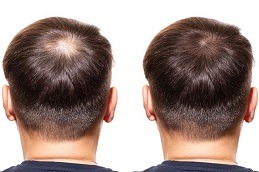

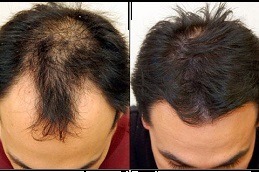
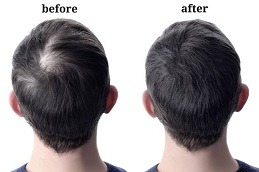
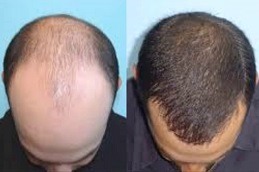
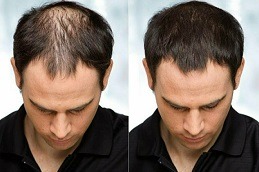
Which Hair Treatment is right for You?
The best choice for you is decided by the hair specialist after examining your scalp and follicle conditions. The right treatment depends on:
- Hair loss severity.
- Cause of hair loss.
- The desired outcomes.
- Age and the overall health of the individual.
- Patient’s budget and personal preferences.
Difference Between Hair Loss in Males and Females!
Hair fall can occur in both men and women. Their patterns, causes and treatments also differ. The tables below list some of these differences:
| Aspect | Male Hair Loss | Female Hair Loss |
| Main Cause | Often triggered by genetic factors. Or sensitivity to DHT | A combination of factors, such as genetics, hormonal imbalances, and follicle sensitivity. |
| Normal Pattern | Hairline receding and thinning at the crown area. | Diffuse thinning and a widened part across the scalp. |
| Hormonal Impact | Strongly connected to androgens (DHT) | Affected by androgen sensitivity and estrogen decline. |
| Onset Age | Starts in the late teens to early 30s | Starts after 30s or during hormonal shifts. |
| Severity | Continue to partial or complete baldness | Leads to total baldness in minimal cases. |
| Progression Speed | Slow but progresses without treatment | Without treatment Slower and more variable. |
| Common Treatments | Early Male baldness can be treated via DHT blockers, topical minoxidil | Topical minoxidil, hormonal and nutritional support can work for females. |
| Reversibility | Rare, but can be managed and cured. | Partially (reversible in some cases) |
Meet Our Experienced Hair Specialist!
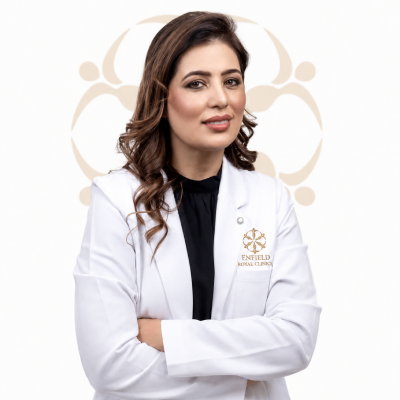
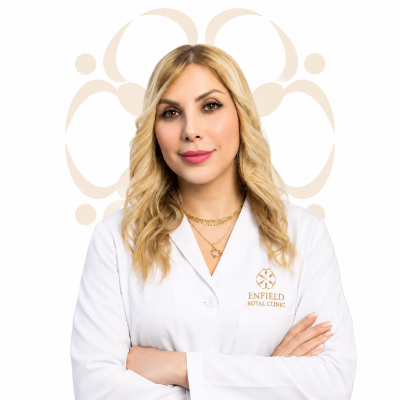
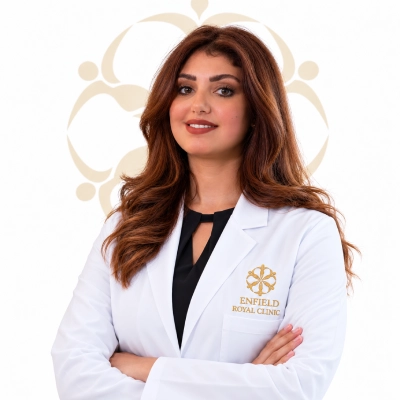
Meet Dr. Sannia Awais, who is an expert hair specialist at Enfield Royal Clinic Dubai with extensive experience in diagnosing and dealing with all kinds of hair loss conditions. She carries a patient-centric approach and combines the latest techniques such as RP therapy, exosomes, microneedling, and hair transplant, etc to ensure better results. She is well known for his precision and commitment, as trusted by thousands of patients across the world.
Cost of Hair Loss Treatment in Dubai
Hair fall treatment costs in Dubai range from AED 6,999 to AED 8,000. The cost is mainly influenced by the type of hair loss, the technique used, the clinic’s reputation, and the doctor’s expertise. The most accurate cost estimate for the procedure will be provided by our Specialists during the initial consultation.
Why Choose Enfield Royal for Healthy Hair?
We will list some of the specialties that make us your ideal choice for the treatment:
- Advanced Hair loss diagnosis and treatment.
- Expert and experienced Hair specialists.
- Board-certified and qualified doctors.
- 24/7 Cooperative and Supportive team.
- Transparent and Clear pricings.
- High success rate of hair restoration treatments.
- Trusted by thousands of clients across the world.
- We guarantee natural-looking results.
- A patient-centric approach.
Restore your hair, and boost your confidence – Book us!
It’s time to stay confident with longer, smooth and catchier hair look as Enfield Royal Clinic is here to provide the best Hair loss treatment in Dubai at an affordable expense. Seize this golden opportunity now without wasting your precious time. Book an appointment with us right now by filling out the form mentioned below or calling our hotline.
FAQs!
What is the most effective Hair regrowth treatment Dubai?
It depends on the cause and stage of hair loss. The best option for you is decided by the hair specialist after examining your follicles.
How long does it take to see the results of the treatment?
The results will vary; however, you may start seeing improvements with non-surgical methods in 2-4 months. Surgical methods take 6-12 months.
How long do the results of hair loss treatment last?
The longevity of the results mainly depends on the kind of hair loss treatment. For instance, the non surgical approaches such as mesotherapy, PRP, microneedling, etc require maintenance sessions frequently as compared to the surgical transplant.
How much does hair loss treatment cost in Dubai?
The treatment’s cost can range between AED 6,999 and AED 8,000.
Is hair loss reversible?
Is hair loss reversible?
It varies and depends on the type of hair loss. Some kinds, such as telogen effluvium(hair loss from nutrition), can be reversed. Others, such as androgenetic alopecia, can’t be completely reversed.
Will applying creatine lead to hair fall?
No, there is no correct scientific evidence about the impact of keratin supplements on hair.
Are these treatments valid for women?
Yes, these hair fall treatments are also recommended for normal females.
Who should avoid getting Hair regrowth treatment Dubai?
Breastfeeding and pregnant females are advised to avoid these until recovery.
Are hair loss treatments permanent?
Some treatments can provide permanent results, while non-surgical results are long-lasting but not permanent.
Dr. Sannia Awais
Book an Appointment Request appointment information Dr. Sannia Awais Cosmetic Dermatologist and Hair Specialist Speciality:... Dr Mahmoud Akrama
Book an Appointment Request appointment information Dr Mahmoud Akrama Dermatologist and General Practitioner Speciality: General Practitioner,... Dr. Tamim Hasan
Book an Appointment Request appointment information Dr. Tamim Hasan DHA-LICENSED DENTIST Speciality: Cosmetic Dentistry and... Dr. Leen Makhlof
Book an Appointment Request appointment information Dr. Leen Makhlof Dermatologist and Nutritionist Speciality: Dermatology and nutrition... Dr. Sirouse Ghouchkhani
Book an Appointment Request appointment information Dr. Sirouse Ghouchkhani Lead Plastic & Reconstructive Surgeon Speciality: Plastic... Dr. Hemissi Bilel
Book an Appointment Request appointment information Dr. Hemissi Bilel Lead Aesthetic & General Dentist Speciality:General... Dr. Mohamad Sameer Alsalih
Book an Appointment Request appointment information Dr. Mohamad Sameer Alsalih Dermatologist and Aesthetic Skin Specialist... Dr. Mahya Kanani
Book an Appointment Request appointment information Dr. Mahya Kanani Obstetrician & Gynecologist Speciality: Cosmetic Gynecology... Dr. Kian Goudarzi
Book an Appointment Request appointment information Dr. Kian Goudarzi Lead Dermatologist | General Practitioner Speciality: Aesthetic... Dr. Elissa El Ahmadieh
Book an Appointment Request appointment information Dr. Elissa El Ahmadieh Clinical Dietitian, Head of Diet... Dr. Atena Shafaei
Book an Appointment Request appointment information Dr. Atena Shafaei Consultant Obstetrician & Gynecologist Speciality: Obstetrics &... Dr Hamza Saleem
Book an Appointment Request appointment information Dr. Hamza Saleem Hair Transplant Specialist Speciality: Hair Transplantation Nationality: Pakistan...